As a core piece of equipment in industrial production, the double-layer stainless steel reaction vessel operates long-term under complex conditions involving high temperature, high pressure, and corrosion, making it susceptible to various damage issues. These not only affect production schedules but may also trigger safety incidents. Understanding its common causes of damage and formulating targeted preventive measures are key to extending equipment service life and ensuring production safety. This article comprehensively analyzes the common causes of reaction vessel damage while providing scientific prevention strategies, offering a reference for equipment operation and maintenance.
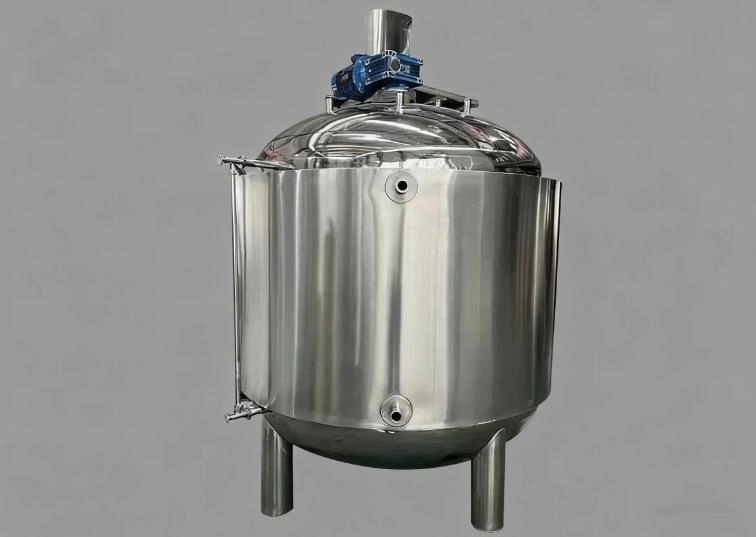
I. Common Causes of Damage: Often Stemming from Operating Conditions and Improper Maintenance
Damage to double-layer stainless steel reaction vessels is frequently related to material compatibility, operating condition control, operational standards, and maintenance frequency. The core causes can be categorized into four main types.
Corrosion damage is the most prevalent issue, primarily divided into chemical corrosion and electrochemical corrosion. Chemical corrosion often occurs due to incompatibility between the materials being processed and the stainless steel, such as prolonged contact of strong acids, strong alkalis, or materials containing chloride ions with a 304 stainless steel inner vessel. This can damage the surface oxide film, leading to pitting or ulcer-like corrosion. Electrochemical corrosion originates from material differences between the jacket and the inner vessel or impurity deposition within the processed materials, forming micro-galvanic cells that accelerate localized corrosion. Areas with scale buildup inside the jacket are particularly prone to corrosive perforation.
Mechanical damage caused by temperature and pressure fluctuations is also quite common. Sudden cooling or heating during the reaction process generates thermal stress in the inner vessel and jacket. Long-term repeated stress can lead to weld cracking or shell deformation. Overpressure operation increases equipment load, and if safety devices like relief valves or pressure sensors fail, it may cause vessel bulging or even explosion. Furthermore, long-term high-speed operation of the stirring system can cause agitator blade wear and shaft seal leakage. Failure to replace worn parts promptly may lead to component fracture, affecting equipment operation.
Improper operation and lack of maintenance also contribute to equipment damage. Violating feeding procedures (e.g., overfeeding, incorrect material mixing sequence) can trigger violent reactions impacting the vessel. Failure to clean the equipment according to procedures leads to material residue and scaling, which not only reduces heat exchange efficiency but also intensifies localized corrosion. Long-term neglect in inspecting and replacing vulnerable parts like seals and heating elements can cause leaks, heating failure, and other issues, subsequently affecting overall equipment performance.
Material quality issues pose a hidden risk. Some manufacturers, to reduce costs, use inferior stainless steel plates or non-compliant welding processes, resulting in defects like pores or slag inclusions in the vessel body. These defect areas can become weak points during long-term use, potentially leading to serious failures, especially under high-pressure conditions.
II. Scientific Preventive Measures: Full-Process Control from Selection to Operation & Maintenance
Preventing reaction vessel damage requires establishing a full-process system encompassing "proper selection, operating condition control, standardized operation, and regular maintenance" to address various potential failure hazards.
Precise Selection is the foundation for preventing corrosion and material-related damage. Choose compatible materials based on processed material characteristics. For materials containing chloride ions, strong acids, or strong alkalis, prioritize using a 316L stainless steel inner vessel. For special corrosive conditions, consider special materials like Hastelloy alloys. Ensure equipment welding processes meet standards, and conduct hydrostatic tests and non-destructive testing before leaving the factory to eliminate hidden defects. Additionally, applying an anti-corrosion coating to the jacket's inner wall can reduce scale buildup and corrosion risk.
Strictly Control Temperature and Pressure Fluctuations to avoid mechanical stress damage. Employ a precise temperature control system to ensure stable heating and cooling rates (recommended ≤5°C/min), preventing sudden temperature shocks. Regularly calibrate safety devices like relief valves and pressure sensors to ensure their sensitivity. Strictly adhere to rated pressure and temperature parameters, prohibiting overpressure or overtemperature operation. The stirring system should use blades and motors suited to the material viscosity. Regularly inspect the wear condition of the agitator shaft and blades, and promptly replace aging components.
Standardize Operating Procedures to minimize human-induced damage. Develop standardized operating manuals specifying key parameters like feed quantity, material mixing sequence, and reaction duration, strictly prohibiting违规操作 (violation of operating procedures). Clean the vessel body promptly after reaction completion using compatible cleaning agents (avoiding highly corrosive ones) to remove material residue and scaling. Ensure thorough drying after cleaning to prevent inner wall rusting. Furthermore,加强 (enhance) operator training to improve safe operation and emergency response capabilities.
Establish a Regular Maintenance Regime to proactively identify potential issues. Develop quarterly and annual maintenance plans. Regularly inspect the vessel welds, inner vessel, and jacket for corrosion, using techniques like ultrasonic testing to排查 (investigate) hidden defects. Regularly replace vulnerable parts like seals and heating elements. Check the lubrication status of the stirring system to ensure smooth component operation. Treat the cooling water in the jacket to remove chloride and calcium ions, preventing scale buildup, and clean the jacket periodically when necessary.
Damage to double-layer stainless steel reaction vessels can largely be avoided through scientific management and control. By focusing on operating condition requirements for proper selection, strictly controlling operational and condition parameters, and implementing regular maintenance, equipment service life can be effectively extended, ensuring safe and stable production operation.