Stainless steel equipment is widely used in the food, pharmaceutical, chemical and other industries due to its excellent corrosion resistance. However, “stainless steel” does not mean “rust-proof forever”. During long-term operation, the passive film on the equipment surface may be damaged by medium corrosion, detergent erosion, mechanical scratches and other factors, accelerating material degradation and corrosion. A complete maintenance process covering thorough cleaning and standardized passivation is essential to restore and sustain the corrosion resistance of stainless steel.
Step 1: Cleaning — Removal of Surface Fouling
Complete removal of all types of deposits is mandatory before passivation. Different contaminants require targeted cleaning methods.
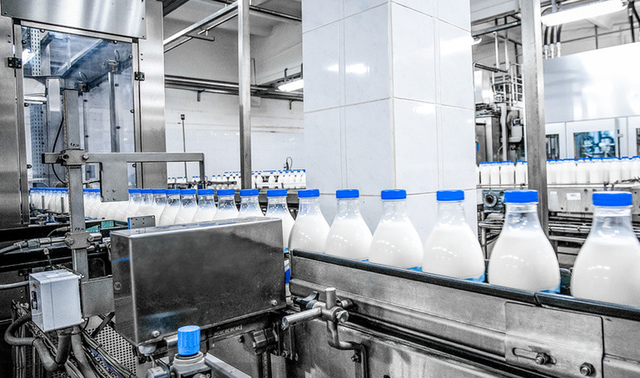
For organic fouling such as oil stains, protein residues and biofilms, alkaline cleaners are commonly adopted, for example, a 2%–3% sodium hydroxide solution. The cleaning temperature is maintained at 60–80 ℃ with circulating cleaning for 30 to 60 minutes. This process is widely applied in dairy and food processing facilities.
For inorganic deposits including scale, rust and welding oxides, acidic cleaners such as 5%–10% nitric acid or citric acid solutions are used. The operating temperature is controlled at 50–60 ℃ with circulating treatment lasting 30 to 120 minutes, which is suitable for cooling water systems and general chemical equipment.
For loose fouling layers, high-pressure water jetting serves as an efficient physical cleaning method. With pressure regulated between 50 and 100 MPa, it is ideal for plate heat exchanger plates, shell-and-tube tube bundles and other components. This approach thoroughly removes deposits without damaging the base metal.
After cleaning, thorough rinsing with purified water is required to eliminate residual chemicals and avoid interference with subsequent passivation. The rinse water must reach a neutral pH value and meet qualified conductivity standards.
Step 2: Passivation — Restoration of Protective Film
Passivation is a treatment that forms a dense chromium oxide protective film approximately 1 to 5 nanometers thick on stainless steel surfaces. The integrity and compactness of this film directly determine corrosion resistance.
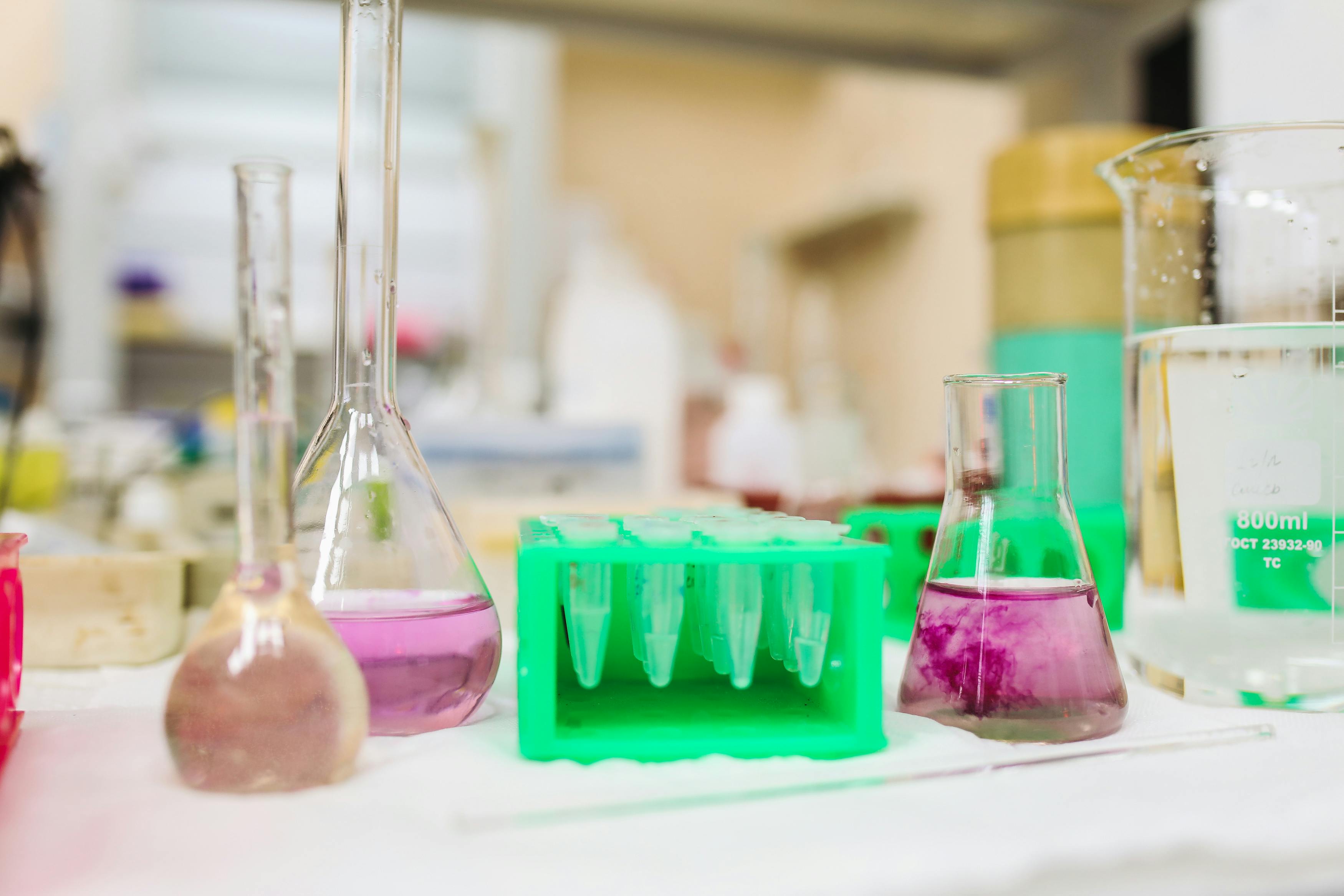
Nitric acid passivation is a traditional and mature process. A 20%–30% nitric acid solution is applied through soaking for 30 to 60 minutes at ambient temperature or 50 ℃. It is compatible with common grades such as 304 and 316L stainless steel and delivers reliable passivation performance. Due to strong corrosivity and oxidation characteristics, strict safety protocols must be followed during operation.
Citric acid passivation represents an eco-friendly alternative. A 4%–10% citric acid solution is used at 50–70 ℃ with 30 to 60 minutes of circulation or soaking. Widely used in food and pharmaceutical equipment, the biodegradable passivation solution minimizes harm to operators and the environment.
Electrochemical passivation is adopted for high-standard scenarios. Through anodic oxidation, it generates an ultra-dense, uniform passive film with better anti-corrosion performance than chemical passivation, though it requires professional equipment and technical operation.
Key operational specifications for passivation:
The surface must be fully cleaned, oil-free, scale-free and rust-free before treatment.
The concentration, temperature and reaction time of passivation solution shall be strictly controlled.
Final purified water rinsing to neutral pH is necessary to prevent secondary corrosion caused by acid residue.
Step 3: Inspection — Verification of Passivation Quality
Post-passivation testing is required to verify the integrity of the protective film. Common detection methods are as follows:
The blue dot test is a convenient on-site inspection method. Potassium ferricyanide solution is applied to the surface; blue spots indicate free iron ions and incomplete passivation. A spot-free result is deemed qualified.
Copper sulfate titration detects free iron contamination. If no displacement reaction occurs after dropping copper sulfate solution, the surface is considered well passivated.
Electrochemical testing provides accurate quantitative evaluation. By measuring corrosion potential, polarization curves and other parameters, the corrosion resistance of the passive film can be scientifically assessed, which is suitable for high-spec industrial applications.
Step 4: Daily Maintenance — Sustaining Passivation Stability
Passivation treatment is not permanent. Improper daily operation will damage the protective film, so standardized routine maintenance is indispensable.
Practices to Avoid
Chloride-containing detergents such as hydrochloric acid and sodium hypochlorite, which can destroy passive films and trigger pitting corrosion.
Abrasive metal tools including steel brushes and carbon steel scrapers, causing scratches and iron contamination.
Long-term contact with strongly reducing media, such as high-temperature and high-concentration formic acid, which decomposes chromium oxide films.
Standard Operational Requirements
Use dedicated stainless steel neutral cleaners free of chloride ingredients.
Implement regular CIP cleaning, the standardized routine to maintain surface sanitation in food production lines.
Conduct local passivation repair after welding, cutting or surface scratching to reconstruct damaged protective films in a timely manner.
The corrosion resistance of stainless steel relies on its surface passive film rather than the base material itself. A complete and stable chromium oxide layer enables outstanding anti-corrosion performance; once the film is broken, corrosion defects will gradually expand.
The full procedure from cleaning to passivation forms a closed maintenance cycle: cleaning eliminates contaminants to create qualified surface conditions; passivation rebuilds dense protective films and restores corrosion resistance; daily maintenance stabilizes the passive state and extends service life.
Incorporating passivation management into the daily equipment maintenance system and formulating regular treatment plans can truly maintain the long-term “stainless” performance of facilities. It is not only a key part of equipment asset management, but also a fundamental guarantee for stable product quality and production safety.
Shanghai Jiangwan Chemical Equipment Co., Ltd. focuses on the R&D and manufacturing of non-standard equipment including reactors, heat exchangers, stainless steel reaction vessels, tower internals, modular skids, freeze-dryers and freeze-dryer cold traps. The company holds ASME U-stamp, EU PED, Korean Kosha and EAC certification. Its products are widely used in chemical, petrochemical, fine chemical, pharmaceutical, food, light industry and environmental protection industries. Customized high-compatibility equipment solutions are available for diverse working conditions. Professional technical consultation is available upon request.