Heat exchanger selection is an inevitable core task in engineering design. Plate, shell-and-tube, and fully welded heat exchangers each have distinct advantages. A proper choice ensures efficient equipment operation and low maintenance workload, while an inappropriate selection leads to poor thermal performance and frequent failures. Understanding the characteristics of the three types is essential to avoid typical selection mistakes.
A plate heat exchanger is assembled by stacking metal plates, with rubber gaskets sealed between plates to form narrow, wide flow channels. This structure delivers unique strengths. It features an outstanding heat transfer coefficient, two to three times higher than that of shell-and-tube models. Its compact layout minimizes floor space. The heating area can be adjusted flexibly by adding or removing plates, and the modular structure allows easy disassembly and thorough cleaning.
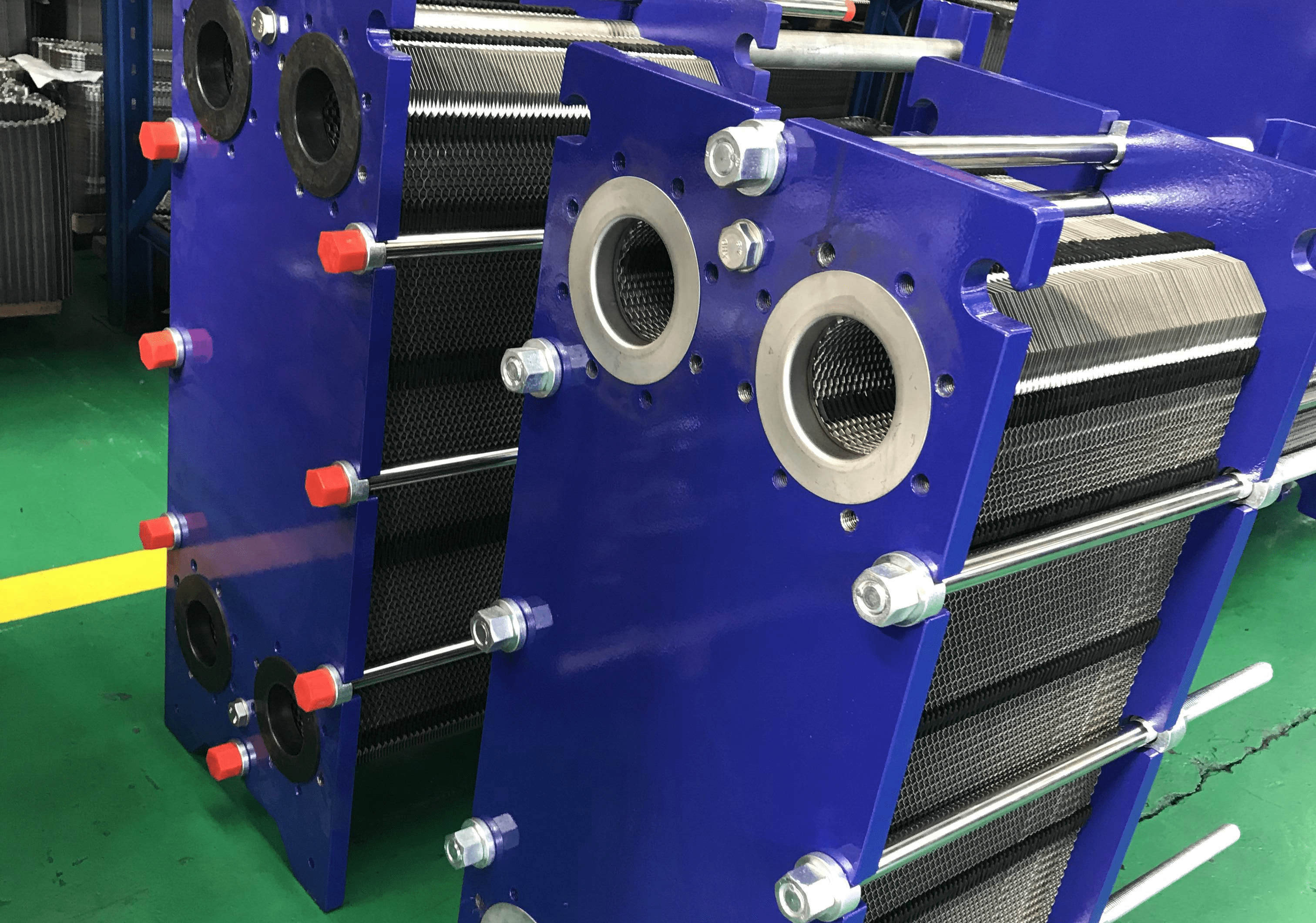
Nevertheless, it has obvious limitations. Restricted by the temperature and pressure resistance of rubber gaskets, its maximum operating temperature is generally below 180 ℃, and the rated pressure does not exceed 2.5 MPa. The narrow flow channels are prone to blockage when handling viscous or particle-laden media. Regular gasket replacement is required to address aging issues, increasing long-term maintenance costs.
Based on these attributes, plate heat exchangers are widely applied in HVAC, food and beverage processing, pharmaceutical production, low-pressure chemical processes, and medium-low temperature waste heat recovery. The most common selection error is applying it to high-temperature and high-pressure working conditions, which causes gasket damage and medium leakage.
The shell-and-tube heat exchanger is a classic and proven design for heavy industry. A tube bundle is enclosed inside a pressure shell, with one medium flowing through the tube side and the other through the shell side. Typical configurations include fixed tube sheet, floating head, and U-tube types. Its most prominent merit is universal adaptability. It can withstand pressure above 10 MPa and temperatures exceeding 500 ℃, covering nearly all harsh industrial conditions. It is compatible with gas-liquid, liquid-liquid, and steam-liquid heat exchange. With mature structure and high reliability, it has been long validated in heavy industrial scenarios.
Its drawbacks include a relatively low heat transfer coefficient compared with plate designs, bulky size and large occupation area. The fixed tube sheet type suffers from poor accessibility, making shell-side fouling difficult to remove.

Shell-and-tube heat exchangers are the preferred solution for high-temperature and high-pressure processes such as petroleum refining, chemical production, power generation and metallurgy. Frequent selection pitfalls include adopting fixed tube sheet models for large temperature difference conditions, resulting in thermal stress cracking, or using this non-detachable structure for fouling-prone media, which leads to premature equipment scrappage due to irreversible contamination.
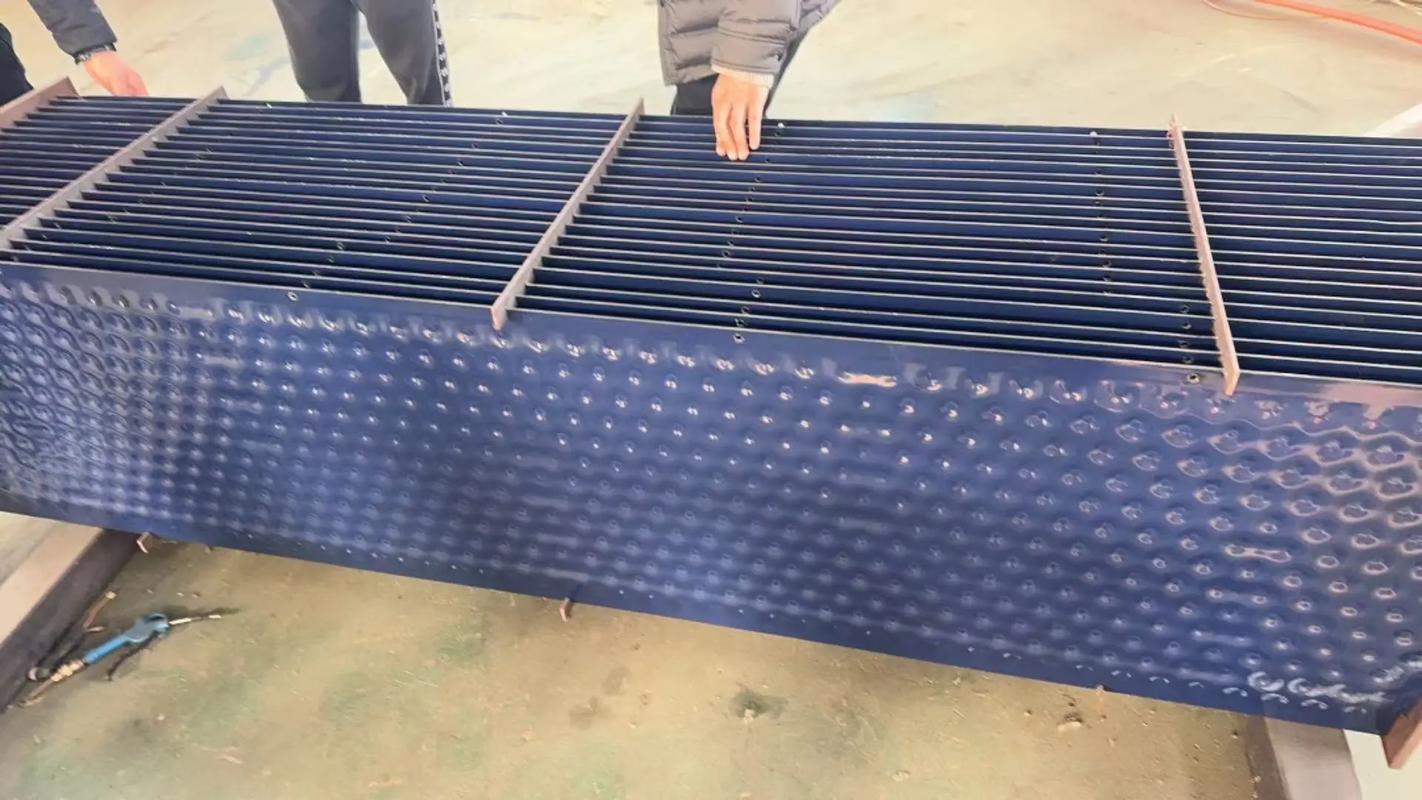
The fully welded plate heat exchanger is an advanced and rapidly developed product in recent years. Plates are permanently welded together without any gaskets. Common structures include plate-and-shell, fully welded plate-and-frame, and welded plate bundle types. It integrates the superior performance of plate and shell-and-tube equipment. It retains the high heat transfer efficiency of plate products and achieves robust pressure and temperature resistance comparable to shell-and-tube exchangers, with a working pressure of 6 to 10 MPa and a temperature tolerance of 400 ℃ to 500 ℃. The gasket-free design eliminates leakage risks fundamentally, and its compact size suits space-limited installation areas.
Its main disadvantages are higher overall cost, between conventional plate and shell-and-tube equipment. Strict welding requirements increase maintenance difficulty. Once internal damage occurs, repairs are far more complicated than for other types. In addition, the non-detachable welded structure cannot adjust the heat exchange area freely, resulting in low operational flexibility.
Fully welded plate heat exchangers are widely used in high-temperature and high-pressure petrochemical processes, gas cooling, LNG projects, high-purity pharmaceutical production, hydrogen energy and other emerging industries. The biggest selection risk is using it for media that easily form deposits. Since the fully welded structure cannot be disassembled for mechanical cleaning, severe fouling will force complete equipment replacement.
A clear logical process should be followed to make a reasonable selection among the three categories.
First, confirm process parameters. If the operating temperature exceeds 180 ℃ or the pressure exceeds 2.5 MPa, conventional plate heat exchangers are excluded. For temperatures above 500 ℃ or pressure over 10 MPa, shell-and-tube products provide more stable performance.
Second, analyze medium properties. Detachable structures such as rubber-gasket plate exchangers or floating head shell-and-tube exchangers are suitable for particle-containing or easily fouling media. For high-viscosity fluid, plate heat exchangers or shell-and-tube exchangers with helical baffles deliver better heat exchange results.Equipment requiring frequent cleaning prioritizes plate and floating head types, while clean media and low maintenance frequency scenarios can adopt fixed tube sheet or fully welded designs.
In confined installation spaces, plate and fully welded plate heat exchangers show obvious advantages. For budget-limited and mild working conditions, fixed tube sheet shell-and-tube exchangers offer the best cost performance.
There is no universal heat exchanger for all industries, only the most suitable model for specific working conditions. Clarifying process boundary parameters and recognizing the pros and cons of each structural type can effectively avoid most selection errors.
Shanghai Jiangwan Chemical Equipment Co., Ltd. specializes in the research and development and production of non-standard equipment, including reaction kettles, heat exchangers, stainless steel reactors, tower vessels, modular units, freeze-dryers and cold traps. The company holds ASME U-stamp certification, EU PED certification, Korean Kosha certification and EAC certification. Its products serve chemical, petrochemical, fine chemical, pharmaceutical, food, light industry and environmental protection fields. Customized and highly compatible equipment solutions are provided for diverse process demands. Professional consultation is available at any time.