Air coolers dissipate heat by allowing ambient air to flow through finned tube bundles, and the cleanliness of the fins directly determines the cooling performance of the equipment. At industrial sites, fin fouling is the primary cause of declining air cooler efficiency. How should dirty fins be cleaned, and what key points should be noted in daily maintenance?
Cleaning Method 1: High-pressure Water Flushing
For contaminants mainly composed of dust and mud, high-pressure water cleaning is the most direct and effective solution. Use an industrial washer during operation and keep the water pressure within a reasonable range to prevent fin bending and deformation caused by excessive pressure. The cleaning direction should be opposite to the airflow direction, either top-down or oblique flushing from the side, to ensure complete removal of dirt from the fins. It is essential to cool down high-temperature equipment fully before cleaning to avoid fin cracking induced by thermal stress.
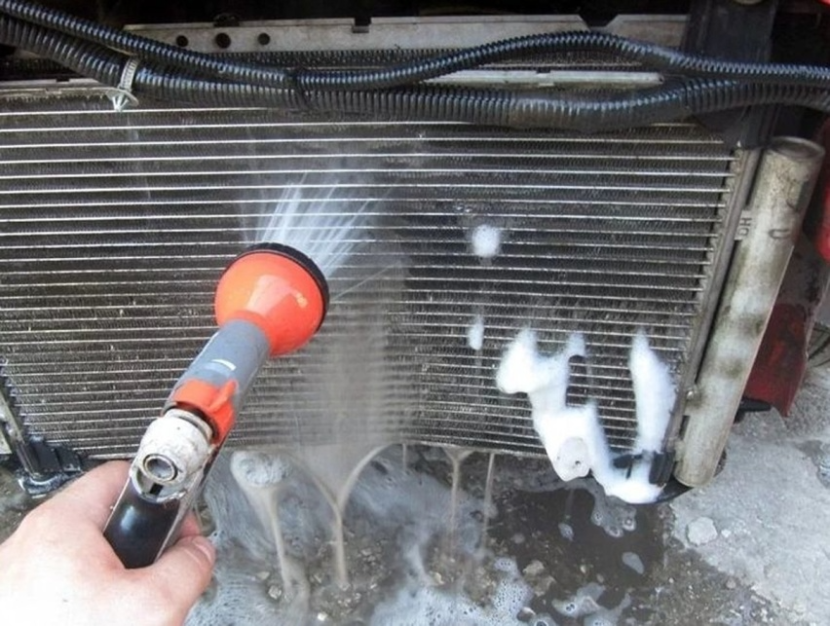
Cleaning Method 2: Chemical Cleaning
Water washing alone cannot remove oil stains and oily mixed deposits. In such cases, special metal cleaners or degreasing agents are required. Dilute the chemical agent, spray it evenly over the fin surfaces with low-pressure spraying equipment, and rinse thoroughly with high-pressure water after the contaminants are penetrated and dissolved. Only corrosion-free chemicals compatible with fin tube materials shall be adopted. Complete post-cleaning rinsing is mandatory to avoid accelerated metal corrosion caused by chemical residues.
Cleaning Method 3: Air Blowing
Compressed air blowing is applicable in water-prohibited areas such as densely arranged electrical zones or severe cold winter conditions. High-flow compressed air with rotating nozzles is adopted to blow away loose dust on fins from top to bottom. This method has limited effect on deeply bonded fouling, yet it serves as a convenient routine maintenance measure.
In addition to regular cleaning, daily inspection is equally critical. Conduct monthly inspections on fin scaling conditions and cooling air volume variations. Regularly check the normal opening of louvers and verify that fan operating current remains within the standard range. For sites with poor inlet air quality, installing air intake filter screens is recommended. Though slightly increasing wind resistance, filters can significantly reduce the frequency of fin fouling. During winter shutdown periods, perform thorough cleaning and comprehensive anti-freezing protection for air coolers to prevent residual water from freezing and damaging fin structures.
Maintaining clean fins guarantees stable heat exchange efficiency of air coolers. A standardized schedule of regular cleaning and scientific maintenance ensures stable operation of process units and extends the service life of air cooler equipment.
Shanghai Jiangwan Chemical Equipment Co., Ltd. specializes in the R&D and manufacturing of non-standard equipment including reaction vessels, heat exchangers, stainless steel reactors, tower vessels, modular units, freeze dryers and cold traps. The company holds ASME U-stamp certification, EU PED certification, Korea Kosha certification and Eurasian EAC certification. Its products are widely applied in chemical, petrochemical, fine chemical, pharmaceutical, food, light industry and environmental protection industries. Customized high-compatibility equipment solutions are available for global customers. Please feel free to contact us for further inquiries.