Complete air cooler sets are widely applied across all segments of modern manufacturing. For numerous industrial plants, they are commonly used to cool process fluids. Compared with conventional water cooling systems, they deliver effective temperature reduction while cutting industrial water consumption. This article mainly explores its core application coverage.
Oil Refineries: The Traditional Core Application of Air Coolers
Taking conventional refining units as an example, water cooling methods may consume thousands of tons of circulating water per hour. By adopting air coolers, water consumption can be reduced by over 67%. Large-scale domestic oil refining projects are mainly distributed around the Bohai Bay, the Yangtze River Delta and the Pearl River Delta, with seven state-planned world-class petrochemical industrial bases serving as core hubs. Typical examples include Zhejiang Petrochemical, a leading integrated refining and chemical enterprise with two 40-million-ton-grade production lines, and Dalian Changxing Island, centered on Hengli’s 20-million-ton-per-year refining project with a planned capacity expansion to 40 million tons, radiating the Northeast Asia international shipping hub.
A common question arises: since coastal refineries have convenient access to seawater, are air coolers unnecessary? The reality is exactly the opposite. A review of recent procurement bids from major coastal refining bases shows that in 2022, CNOOC Daxie Petrochemical Integrated Refining and Chemical Project in Ningbo, Zhejiang, purchased 45 sets of air coolers. In 2024, the Fifth Operation Department of CNOOC Huizhou Petrochemical in Huizhou, Guangdong, procured 9 combined wet air coolers for equipment renewal. In 2025, Sinopec Maoming Refining Transformation and Upgrading RTC Project in Maoming, Guangdong, purchased large-scale air coolers.
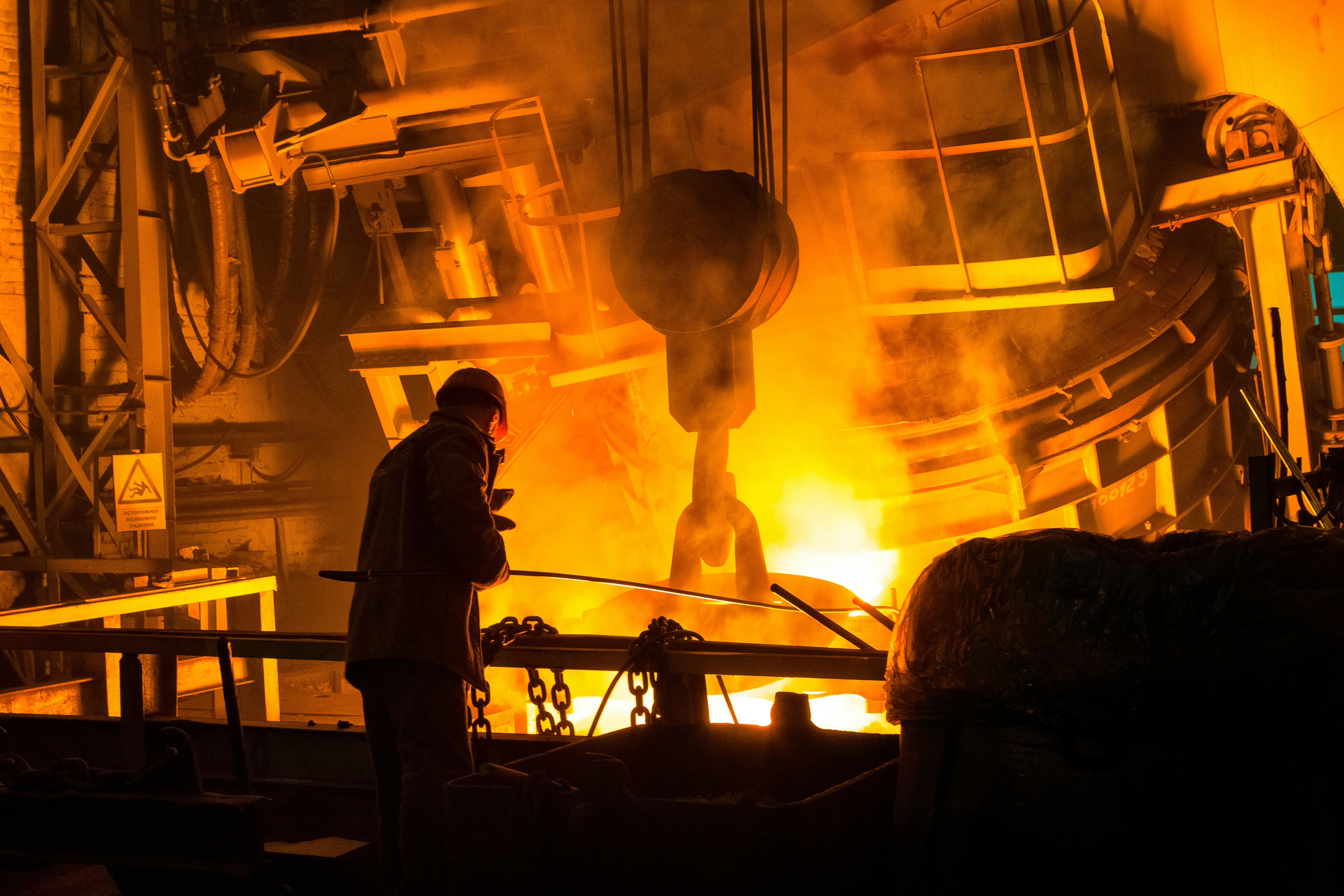
Instead of being phased out, air coolers have become standard equipment for new construction projects and energy-saving renovations in these industrial bases. In the atmospheric and vacuum distillation units of refineries, overhead oil and gas need to be condensed into liquid, where air coolers undertake the primary cooling process. In fluid catalytic cracking units, reaction oil and gas reach extremely high temperatures and require further cooling by air coolers after heat exchange before entering subsequent separation processes. Air coolers are also indispensable cooling facilities in hydrotreating, delayed coking and other production units.
Natural Gas Processing Stations: An Emerging Application Scenario for Air Coolers
Natural gas extracted from gas wells generally contains moisture and heavy hydrocarbons and requires purification treatment. Cooling of high-temperature compressed gas is essential in processes such as pressurization, dehydration and light hydrocarbon recovery.
China’s natural gas processing layout follows a clear pattern: natural gas produced from gas fields in western and offshore regions is purified at local treatment plants and then transported via pipelines to the eastern coastal areas. Coastal regions rely on LNG terminals for the storage and gasification of imported liquefied natural gas to supply developed surrounding economic zones. The starting point of the West-to-East Gas Transmission Project is located inland near the Sichuan Basin, where large-scale water intake is difficult. Hence, air coolers are widely adopted as the preferred cooling equipment.
In terms of technological processes, large air coolers are essential for cooling before molecular sieve dehydration and condensation after propane refrigeration in the raw gas pretreatment stage.
Coal Chemical and Power Industries
In coal-rich and water-scarce regions of China, coal chemical plants and air-cooled power stations constitute another major application market for air coolers. Coal-to-liquid and coal-to-olefin projects feature complex processes, frequent heat exchange and massive cooling loads. Mostly located in water-deficient northwest China with abundant coal resources, these projects inevitably select air coolers as the core cooling solution.
In the power industry, air coolers are applied in the form of air cooling islands. In large northern thermal power plants, exhaust steam from steam turbines needs to be condensed into water and recycled to boilers. Traditional water cooling solutions require massive cooling towers, while air cooling systems directly condense exhaust steam with ambient air, achieving a water-saving rate of over 70%.
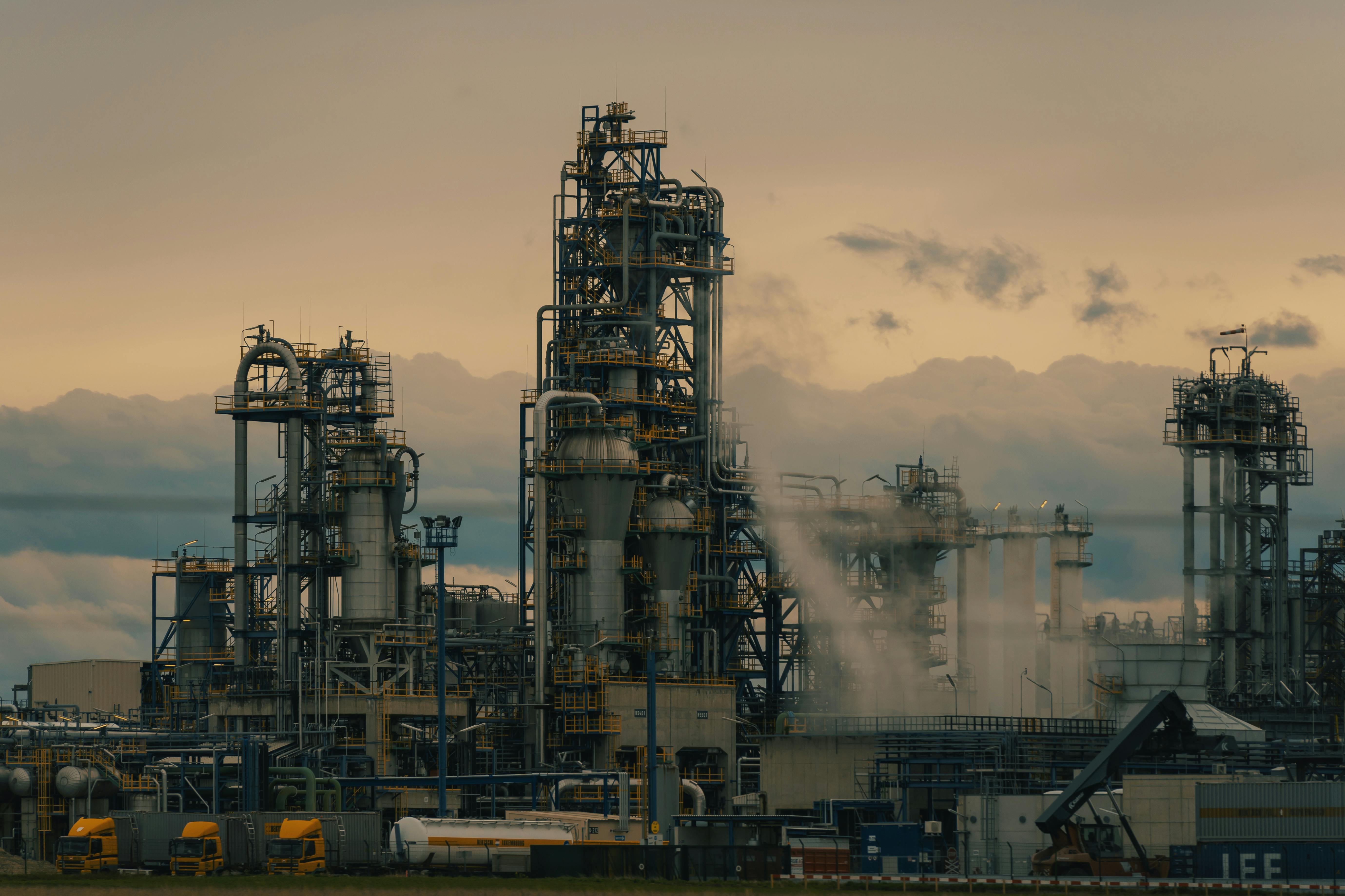
Air coolers boast far more extensive applications. In steel mills, small air coolers are widely used to cool lubricating oil for rotating equipment such as compressors and fans. In the pharmaceutical and food industries, air coolers dissipate heat generated by fermentation tanks. They are also equipped on emergency generator sets in data centers to ensure long-term stable operation without overheating.
With increasingly stringent water resource constraints and rising environmental protection standards, the application scope of air coolers will continue to expand. Shanghai Jiangwan Chemical Equipment Co., Ltd. specializes in the R&D and production of non-standard pressure vessels including reaction kettles, heat exchangers, stainless steel reaction kettles, tower vessels, modular equipment, freeze dryers and cold traps. The company holds ASME U-stamp certification, EU PED certification, South Korean Kosha certification and EAC certification of the Eurasian Economic Union. Its products are widely used in petrochemicals, fine chemicals, pharmaceuticals, food, light industry, environmental protection and other fields. Customized high-matching equipment solutions are available for global clients. For more information, please feel free to contact us.