Material selection is a critical decision in silo design, directly determining equipment service life, operational safety and overall cost-effectiveness. Among numerous available options, carbon steel, stainless steel and aluminum alloy are the three most widely applied materials. Each has unique advantages and limitations, suitable for distinct operating conditions. An in-depth understanding of their properties and proper selection principles lays a solid foundation for designing cost-effective silos that fully meet process requirements.
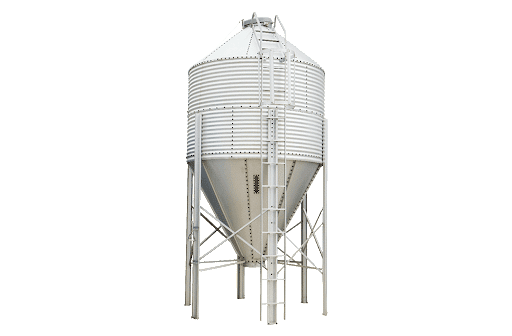
Carbon steel is the most commonly used material for silo manufacturing due to its comprehensive performance advantages. It delivers high mechanical strength: the yield strength of standard Q235B exceeds 235 MPa, while Q345R reaches over 345 MPa, satisfying the strength demands of most silo structures. Carbon steel features a relatively low price, roughly one-third to one-fifth of stainless steel. For large-scale silos, this cost gap brings substantial economic benefits. It also boasts excellent machinability with mature cutting, bending and welding processes, enabling easy fabrication and short construction cycles. With favorable weldability, carbon steel is compatible with conventional welding methods, and welded joints can achieve more than 90% of the base metal strength.
Nevertheless, carbon steel has obvious drawbacks, dominated by poor corrosion resistance. It is prone to rust in humid environments and requires specialized anti-corrosion treatment when storing corrosive materials. Its low-temperature toughness is insufficient; brittle transition may occur below -20°C, making it unsuitable for cryogenic conditions. In addition, carbon steel silos have a plain appearance, suffer from aesthetic degradation due to rusting, and cannot meet high cleanliness standards.
Based on the above characteristics, carbon steel silos are ideal for storing non-corrosive or slightly abrasive materials such as grain, feed, plastic pellets and cement. They are widely adopted for indoor or sheltered installations and cost-sensitive large-scale projects.
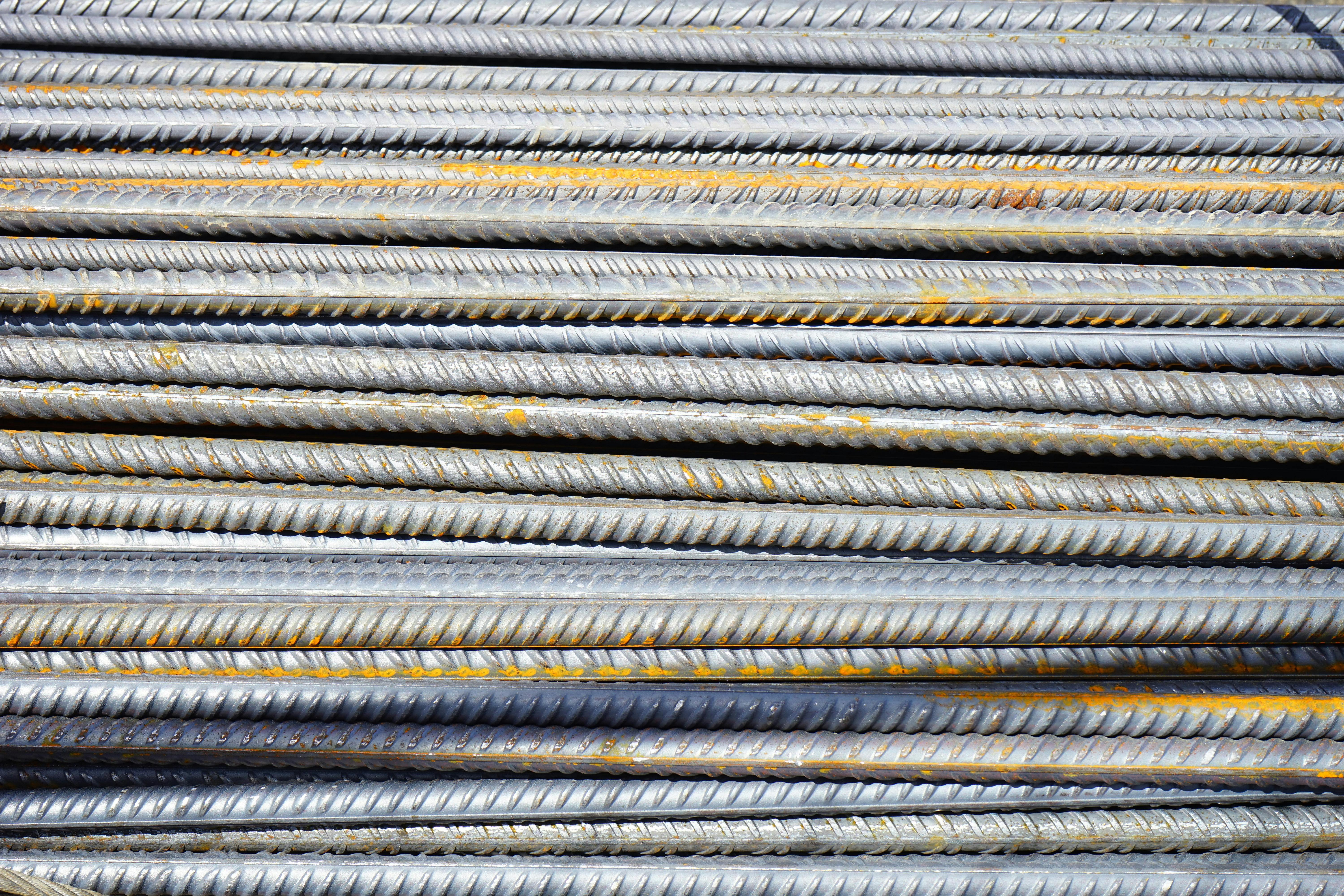
Stainless steel is another mainstream silo material, renowned for outstanding corrosion resistance. The chromium element in its composition forms a dense passive chromium oxide film on the surface, preventing further penetration of corrosive media. Its anti-corrosion performance improves with increased alloy content: grade 304 stainless steel adapts to general corrosive environments, while molybdenum-alloyed 316L provides superior pitting resistance for chloride-containing working conditions.
Stainless steel maintains exceptional low-temperature toughness. Austenitic stainless steel retains stable ductility and toughness at temperatures below -200°C, serving as the preferred material for cryogenic storage equipment. After polishing, its smooth, non-stick surface allows easy cleaning and complies with strict hygiene standards in the food and pharmaceutical industries.
The main disadvantages of stainless steel are its high material cost — several times higher than carbon steel — leading to heavy investment pressure for large silos. It offers moderate tensile strength, no advantage over high-strength carbon steel. In specific harsh media such as chloride-rich environments, it still faces risks of stress corrosion cracking. Moreover, stainless steel requires more complex processing; shielding gas is mandatory during welding to avoid oxidation, raising technical requirements.
Stainless steel silos are primarily applied in industries with high hygiene demands, including food, pharmaceuticals and fine chemicals. They are also the optimal choice for corrosive materials and low-temperature operating scenarios.
Aluminum alloy occupies a unique position in silo production, especially for weight-sensitive applications. Its most prominent strength is low density, only about one-third that of carbon steel. This lightweight feature brings remarkable convenience for mobile silos or equipment installed on elevated floors. Aluminum alloy naturally forms a compact oxide film in atmospheric environments, providing reliable weather resistance without paint coating and maintaining a long-term aesthetic appearance. It is non-magnetic and spark-free, perfectly suited for explosion-proof areas. Its low-temperature performance is favorable, with toughness improved rather than reduced in cold conditions. In addition, high thermal conductivity makes it applicable for processes requiring rapid heat transfer or cooling.
On the contrary, aluminum alloy has lower mechanical strength. The tensile strength of pure aluminum is merely 90–120 MPa, and even high-strength aluminum alloys only reach around 500 MPa at a much higher cost. It suffers from poor wear resistance and is vulnerable to abrasion caused by material scouring. Complex welding procedures and skilled operators are required for aluminum alloy connection. Its market price fluctuates widely and is generally four to six times that of carbon steel.
Aluminum alloy silos are recommended for scenarios with strict weight limitations, such as mobile units and rooftop installations. They are also widely used in explosion-proof areas and outdoor silos with high aesthetic requirements and coating-free demands.
In addition to the three mainstream materials above, special alternatives are applied for customized working conditions. Galvanized steel sheet adopts hot-dip galvanizing on a carbon steel substrate, combining structural strength and zinc-layer corrosion resistance. It is suitable for dry, non-corrosive materials, with a cost between carbon steel and stainless steel. Glass-lined silos are manufactured by sintering vitreous enamel on carbon steel, featuring excellent chemical resistance and a smooth non-stick surface for highly corrosive media, though with weak impact resistance and fragility. Plastic silos made of PE, PP and other resins are lightweight and corrosion-resistant, yet limited by low strength and poor heat resistance, only applicable for small-scale normal-temperature storage of corrosive materials.
Practical material selection requires comprehensive multi-factor evaluation. First, analyze material properties, the core basis of selection, including corrosion components (acid, alkali, salt), abrasiveness, sensitivity to metal ions, and operating temperature range. Second, evaluate service conditions: indoor or outdoor layout, ambient humidity, corrosive gas exposure and environmental temperature variation. Third, clarify process demands such as cleanliness standards, frequent cleaning requirements, thermal insulation or heating needs, and weighing metering configuration. Finally, conduct economic assessment covering raw material cost, processing expense, installation investment, maintenance budget and service life through full life-cycle cost analysis.
The overall cost gap between different materials extends beyond raw material prices, covering processing, daily maintenance and service life. Carbon steel has the lowest initial material cost but extra expenditure on painting, anti-corrosion treatment and long-term upkeep. Stainless steel involves higher procurement costs yet eliminates coating needs and minimizes maintenance, making it indispensable for high-cleanliness scenarios. Aluminum alloy commands a premium price, but its light weight reduces structural support costs and delivers comprehensive economic advantages in specific projects. Hence, material selection shall focus on full life-cycle benefit rather than one-time purchase cost.
In conclusion, carbon steel, stainless steel and aluminum alloy each have their reasonable application scope without absolute superiority or inferiority. The correct selection logic starts with process demands, comprehensively balancing material characteristics, service environment, technical indicators and economic benefits. For conventional working conditions, carbon steel delivers economy and practicality. For high-cleanliness or corrosive environments, stainless steel is essential. For weight-limited or special industrial requirements, aluminum alloy is a reliable option. Mastering material properties and scientific selection methods enables the design of fully functional, reasonably priced and long-service-life silos for industrial production.