During long-term operation, the inner walls of storage tanks are in direct contact with stored media, making corrosion an inevitable issue. Corrosion not only causes wall thinning and strength degradation, but may also trigger leakage accidents, posing major safety hazards and environmental risks. Understanding corrosion types and mechanisms, and implementing effective anti-corrosion measures, is essential for ensuring safe tank operation and extending service life.
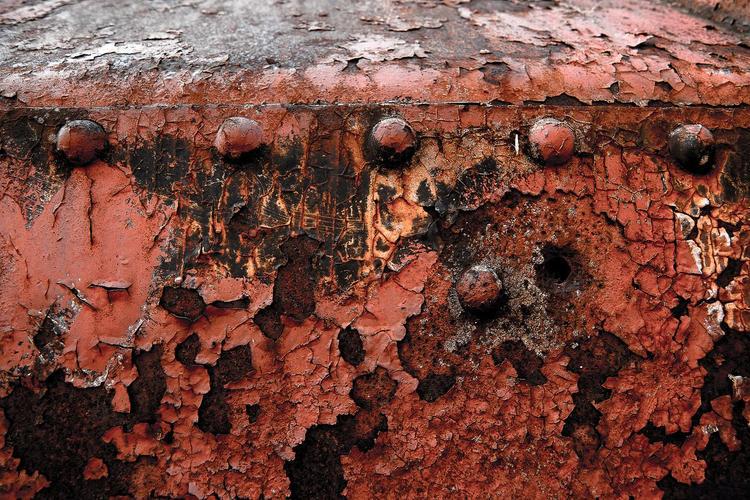
Uniform corrosion is the most common form of corrosion, characterized by overall and even thinning of the metal surface.It occurs when metals undergo chemical or electrochemical reactions with process media, resulting in steady and uniform material dissolution across the surface. For instance, the inner walls of carbon steel tanks gradually corrode and thin at a relatively consistent rate when storing acidic media. Although uniform corrosion rarely causes sudden perforation, it shortens the designed service life. Regular thickness measurement and monitoring are therefore required to track wall loss and predict remaining service life. A common preventive method is to allocate an appropriate corrosion allowance, whereby extra plate thickness is reserved during design to compensate for long-term corrosive wear.
Localized corrosion is far more hazardous than uniform corrosion. Since material loss concentrates in limited areas, it may rapidly lead to perforation and medium leakage.
Pitting corrosion is a typical localized corrosion form, creating isolated cavities where depth exceeds surface diameter. It frequently occurs on stainless steel exposed to chloride-containing media. Chloride ions destroy the passive film on stainless steel surfaces, forming corrosion initiation points that expand continuously through a self-catalytic mechanism.Crevice corrosion develops within narrow gaps between metal surfaces, gaskets, or sediment deposits. Stagnant fluid and low oxygen levels inside crevices create an oxygen concentration cell, significantly accelerating localized corrosion.Intergranular corrosion refers to selective deterioration along grain boundaries, eventually causing grain detachment. When stainless steel is welded or heat-treated within sensitization temperature ranges, chromium carbide precipitates at grain boundaries, resulting in chromium depletion in adjacent zones, reduced corrosion resistance, and subsequent intergranular corrosion.
Stress corrosion cracking (SCC) is a brittle fracture failure induced by the combined action of tensile stress and corrosive environments, posing severe safety threats.Three essential conditions are required simultaneously: susceptible materials, specific corrosive media, and sustained tensile stress. Typical cases include SCC of austenitic stainless steel in chloride-rich environments and carbon steel in alkaline solutions. This failure mode arises with almost no early warning features and exhibits rapid crack propagation, easily causing sudden rupture or leakage with serious consequences. SCC prevention relies on optimized material selection, residual stress elimination, and operating environment control.
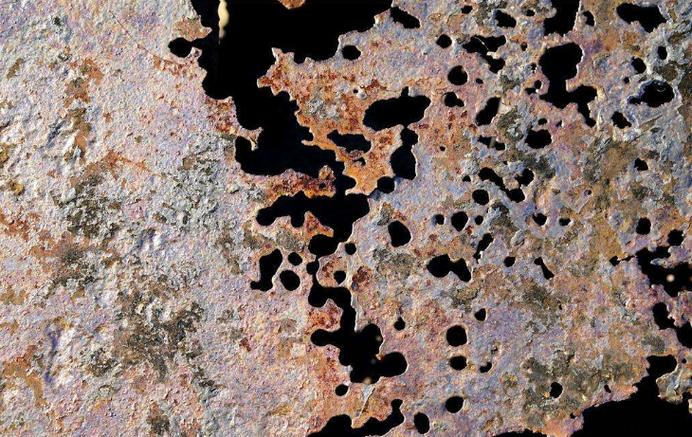
Galvanic corrosion takes place when two dissimilar metals come into contact within an electrolyte solution. The metal with a more negative potential acts as the anode and suffers accelerated corrosion.Common scenarios in storage tanks include connections between carbon steel shells and stainless steel accessories, as well as concentration cells formed by sediment deposition at the tank bottom. Effective countermeasures include avoiding direct dissimilar metal contact, installing insulating gaskets, and adopting sacrificial anode protection.
Corrosion development is affected by multiple factors, among which medium composition is the most critical. Acidic substances significantly accelerate metal deterioration, while chloride ions damage passive films. Crude oil containing sulfur and salt components presents strong corrosiveness. Temperature also exerts a prominent influence; generally, the corrosion rate increases exponentially with every 10 °C temperature rise. The impact of flow velocity is complex: moderate flow promotes mass transfer yet may ablate protective films, while excessively low flow encourages under-deposit corrosion. The pH value plays a key role as well: acidic conditions accelerate corrosion, certain metals passivate under alkaline conditions, and excessive alkalinity may induce alkali embrittlement.
A variety of anti-corrosion technologies have been developed for industrial applications.Proper material selection is the fundamental solution to corrosion control. High-alloy materials such as stainless steel, duplex steel, nickel-based alloys, and titanium are adopted for highly corrosive working conditions. For general corrosive environments, carbon steel combined with protective coatings delivers optimal cost performance. Material selection must comprehensively balance corrosion resistance, mechanical properties, and overall economic benefits.
Protective coatings are the most widely applied anti-corrosion method, isolating metal substrates from corrosive media through single or multi-layer paint systems. Common coating materials include epoxy coatings with strong adhesion and excellent chemical resistance, polyurethane coatings featuring superior wear and weather resistance for exterior protection, glass flake coatings with outstanding permeation resistance for severe corrosive conditions, and zinc-rich primers providing cathodic protection for carbon steel substrates. Coating performance largely depends on surface preparation. Strict sandblasting is mandatory before painting to achieve specified cleanliness and roughness, ensuring reliable coating adhesion.
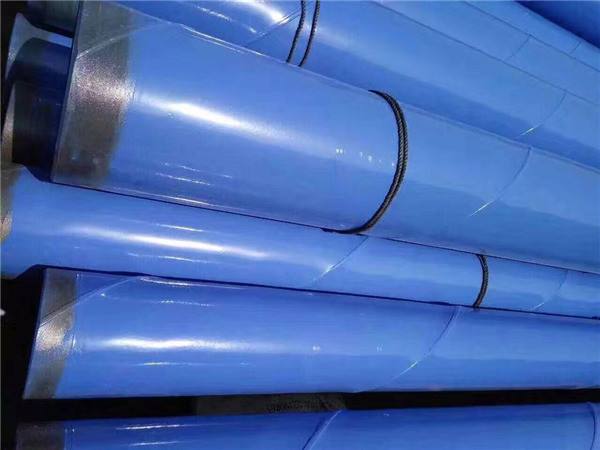
Lining protection adds a continuous corrosion-resistant barrier inside carbon steel tanks to completely separate the substrate from process media. Common lining options include rubber lining with favorable elasticity and acid–alkali resistance, plastic lining such as PE, PP and PTFE for strong corrosive media, FRP lining with high mechanical strength for medium and small tanks, and glass-lining with ultra-smooth surfaces and excellent chemical stability suitable for pharmaceutical and fine chemical industries. The integrity of the lining layer and bonding strength with the base metal are critical, as tiny defects may become potential corrosion initiation points.
Electrochemical protection mitigates or inhibits corrosion by adjusting the metal electrode potential. Cathodic protection is the mainstream technology, which protects equipment by converting the metal surface into a cathode. Sacrificial anode systems install more electrochemically active metals such as zinc and aluminum inside the tank to corrode preferentially. Impressed current systems apply stable cathodic current through external power sources. Cathodic protection is especially effective for tank bottom inner walls, where water accumulation and difficult coating maintenance accelerate corrosion.
Corrosion allowance is the simplest and most economical anti-corrosion measure. Extra thickness is reserved during structural design to accommodate gradual corrosive loss throughout the service cycle, ensuring the wall thickness always meets the minimum strength requirements within the design life. The allowance, generally ranging from 1 mm to 6 mm, is determined by the medium corrosion rate and design service life. This method is only applicable to uniform corrosion and has limited effect on localized corrosion.
In practical engineering, multiple anti-corrosion measures are usually combined according to actual operating conditions. For carbon steel tanks handling corrosive media, coating systems combined with cathodic protection provide reliable dual protection. For stainless steel equipment in chloride-containing environments, upgrading material grades and controlling medium temperature effectively reduce SCC risks. After commissioning, regular corrosion inspection and monitoring are essential to detect hidden defects and implement timely remedies, so as to guarantee long-term, stable and safe operation of storage tanks.