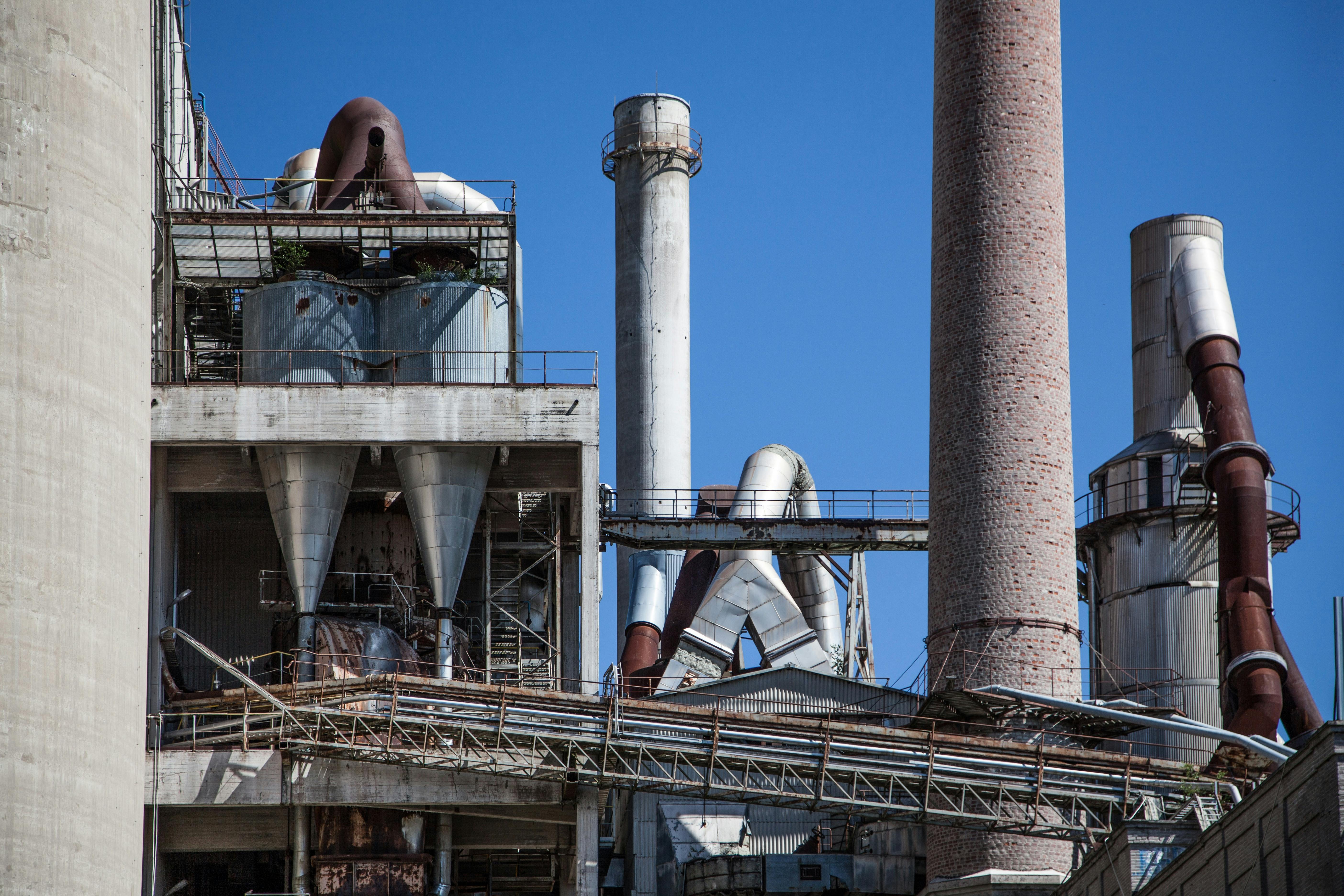
Various mechanical faults are inevitable during the operation of tower equipment. Timely identification of these faults and adoption of effective troubleshooting measures are critical to ensuring the safe, stable and long-cycle operation of the entire plant. This article discusses the causes and countermeasures of tower equipment faults from three aspects: vibration, corrosion, and other common mechanical failures.
1. Vibration of Tower Equipment and Elimination Methods
Vibration is one of the most common mechanical faults of tower vessels in service. Severe vibration not only weakens mass transfer efficiency, but also may cause fatigue cracking of the tower shell, fracture of auxiliary pipelines, and even serious safety accidents.
Main Causes
The primary inducements of tower vibration include fluctuating wind loads for outdoor towers and unstable internal gas–liquid flow. Tower equipment is generally a tall, flexible structure. Resonance occurs when the external wind pulsation frequency is close to or consistent with the natural frequency of the tower body, resulting in large-amplitude swinging. In addition, drastic fluctuations of gas and liquid loads inside the tower may trigger vibration of trays and internal components.
Solutions
Increase the natural frequency of the tower bodyBy increasing shell wall thickness, reducing skirt height or enlarging tower diameter, the overall rigidity is enhanced, keeping the natural frequency away from wind pulsation frequency and avoiding resonance.
Improve structural damping to restrain vibrationInstall dampers on the tower or strengthen the rigidity of auxiliary structures such as operating platforms and ladders to consume vibration energy and achieve vibration reduction.
Equip flow disturbance devicesFor tall towers, install spiral spoiler fins or flow suppression rings on the outer wall. Such devices destroy the periodic formation of Karman vortex streets and reduce transverse wind-induced excitation force.
Optimize operating conditionsStabilize gas and liquid loads and avoid long-term operation within critical working ranges prone to vibration.
2. Corrosion of Tower Equipment and Protection Measures
Corrosion is the most prevalent failure mode of tower vessels, directly restricting service life and operational safety.
Main Causes
Tower equipment comes into contact with diverse media, including acid, alkali and salt solutions of various concentrations, organic solvents and corrosive gases. High temperature and high pressure will further accelerate the corrosion rate. Common types include uniform corrosion, pitting corrosion, stress corrosion cracking and intergranular corrosion.
Protection Measures
Proper material selectionAs the fundamental anti-corrosion measure, materials shall be selected reasonably according to medium corrosivity, operating temperature and pressure, such as stainless steel, duplex steel, titanium alloy and non-metallic materials.
Anti-corrosion lining and coatingCover the metal substrate with a protective barrier to isolate corrosive media, including rubber lining, FRP lining, titanium lining, anti-corrosion coatings and metal spraying.
Electrochemical protectionFor specific corrosive environments, adopt cathodic protection (impressed current or sacrificial anode method) or anodic protection to maintain the metal potential within the corrosion-free or passivation zone.
Rational structural designAvoid gaps, dead corners and stress concentration areas to prevent liquid accumulation and localized corrosion. Standardize welding procedures to reduce sensitization in heat-affected zones.
Addition of corrosion inhibitorsAdd a small dosage of inhibitors into process media to form a dense protective film on metal surfaces and slow down corrosion.
3. Other Common Mechanical Faults and Troubleshooting
In addition to vibration and corrosion, tower equipment is also susceptible to the following typical mechanical problems.
3.1 Medium Leakage
CausesLeakage mostly occurs at flange connections, manholes, nozzles and weld seams, generally resulting from uneven bolt tightening, aging and failure of gaskets, temperature difference stress or corrosion perforation.
SolutionsFollow standardized installation specifications and fasten bolts symmetrically; replace sealing elements such as gaskets regularly; conduct repair welding for weld leakage; adopt online leakage blocking or shutdown maintenance according to pressure level and medium hazard.
3.2 Shell Thinning and Local Deformation
CausesLong-term corrosion and erosion, especially by high-speed fluid or solid-containing materials, lead to continuous wall thinning; local overheating, overpressure and temperature difference stress may cause bulging, denting and other structural deformation.
SolutionsCarry out regular wall thickness measurement and establish corrosion monitoring files; conduct strength verification or reduce operating pressure if the wall thickness drops below the minimum allowable value; reinforce structures with insufficient rigidity and replace defective shell sections in severe cases.
3.3 Surface Fouling and Scaling
CausesImpurities, polymers and crystalline substances in process materials gradually deposit on trays, packing and inner walls, blocking flow channels, increasing pressure drop and reducing separation efficiency.
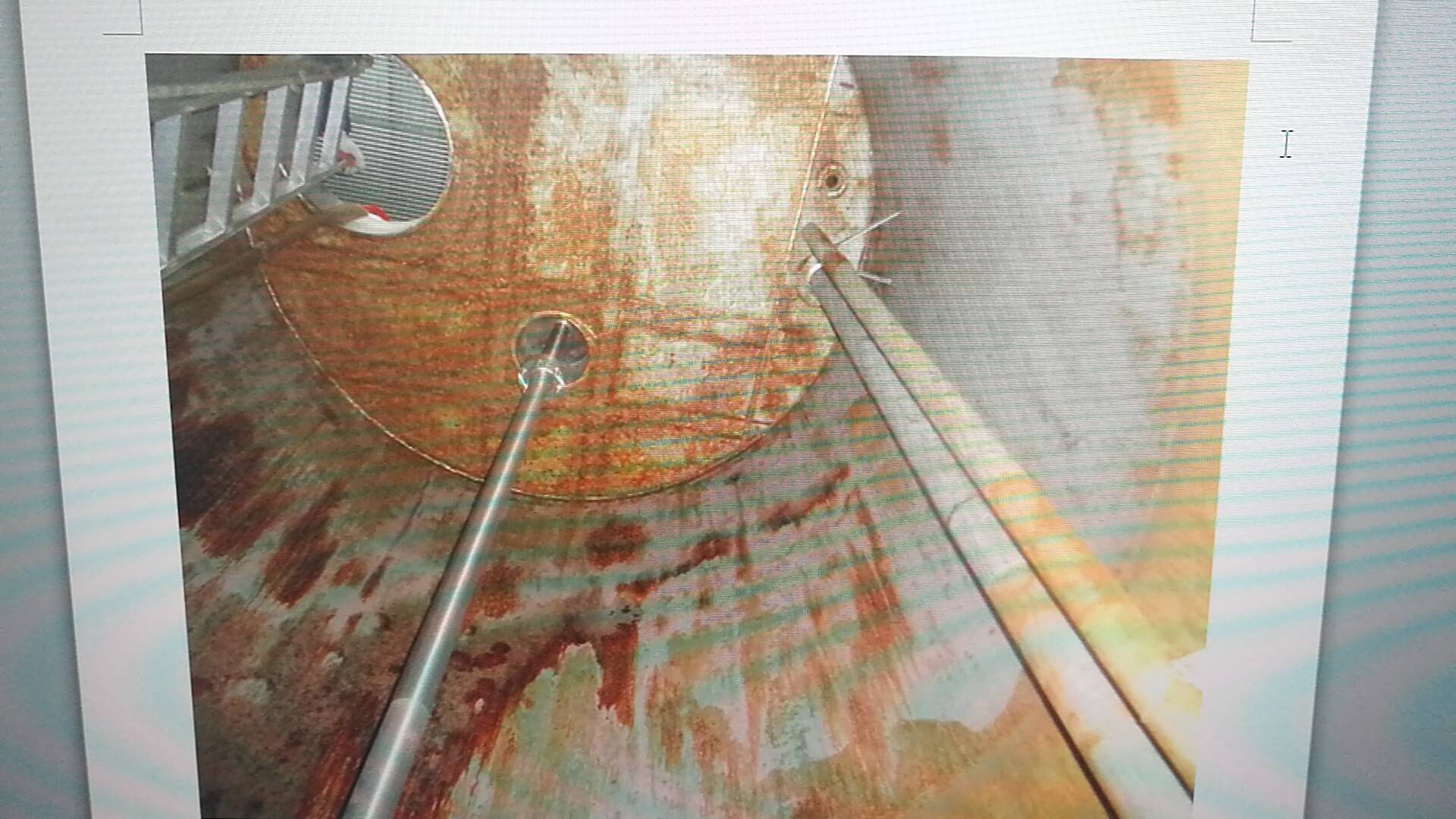
SolutionsOptimize upstream processes to reduce impurity ingress; implement regular chemical cleaning and mechanical cleaning; avoid long-term operation under temperature and concentration conditions favorable for scaling; select anti-fouling internals such as large-hole sieve trays and jet trays for fouling-prone working systems.
Although mechanical faults of tower vessels cannot be completely eliminated, they can be effectively controlled within a safe range through scientific design, standardized operation and comprehensive maintenance strategies. Maintaining the stable and healthy condition of tower equipment, as the core process facility, lays a solid foundation for the long-term, safe and high-efficiency operation of the entire industrial plant.