In petrochemical, fine chemical, pharmaceutical synthesis, polymer materials and other fields, high-temperature and high-pressure reactors are core equipment for conducting complex chemical reactions. They are widely applied in hydrogenation reactions (10~30 MPa), polymerization reactions under elevated temperature and pressure, supercritical extraction and other processes. However, compared with ordinary reactors, the combination of high temperature and high pressure leads to massive internal energy accumulation. Improper operation may trigger catastrophic consequences. Safe operation of high-temperature and high-pressure reactors is not merely equipment control, but also precise management of internal energy and operational risks.
This article systematically sorts out the key safety details of high-temperature and high-pressure reactors during commissioning, operation and maintenance, helping operators and technical managers formulate standardized and scientific operating procedures.
Design and Selection: Safety Originates from the Source
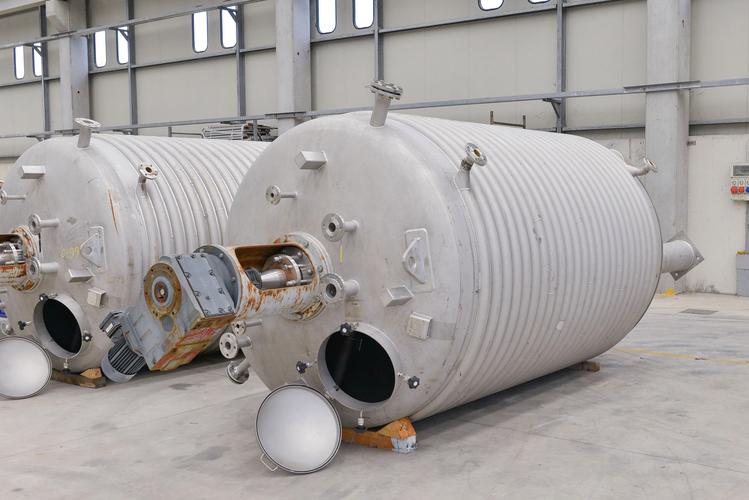
The first line of safety defense lies in correct equipment selection. Not all stainless steel reactors are suitable for high-temperature and high-pressure working conditions.
1. Material Verification: The allowable stress of metal materials declines significantly at high temperatures. For 316L stainless steel, tensile strength drops sharply above 400℃. For hydrogen-containing environments such as hydrogenation processes, hydrogen corrosion risks must be considered. Hydrogen-resistant steel (e.g., 15CrMoR) or stabilized stainless steel (321/347) shall be adopted.
2. Pressure Grade Matching: The Maximum Allowable Working Pressure (MAWP) and maximum allowable working temperature marked on the nameplate are non-negotiable limits. No operating condition shall exceed the combined limit of the two indicators. In most cases, the allowable working pressure at high temperatures is lower than that at room temperature.
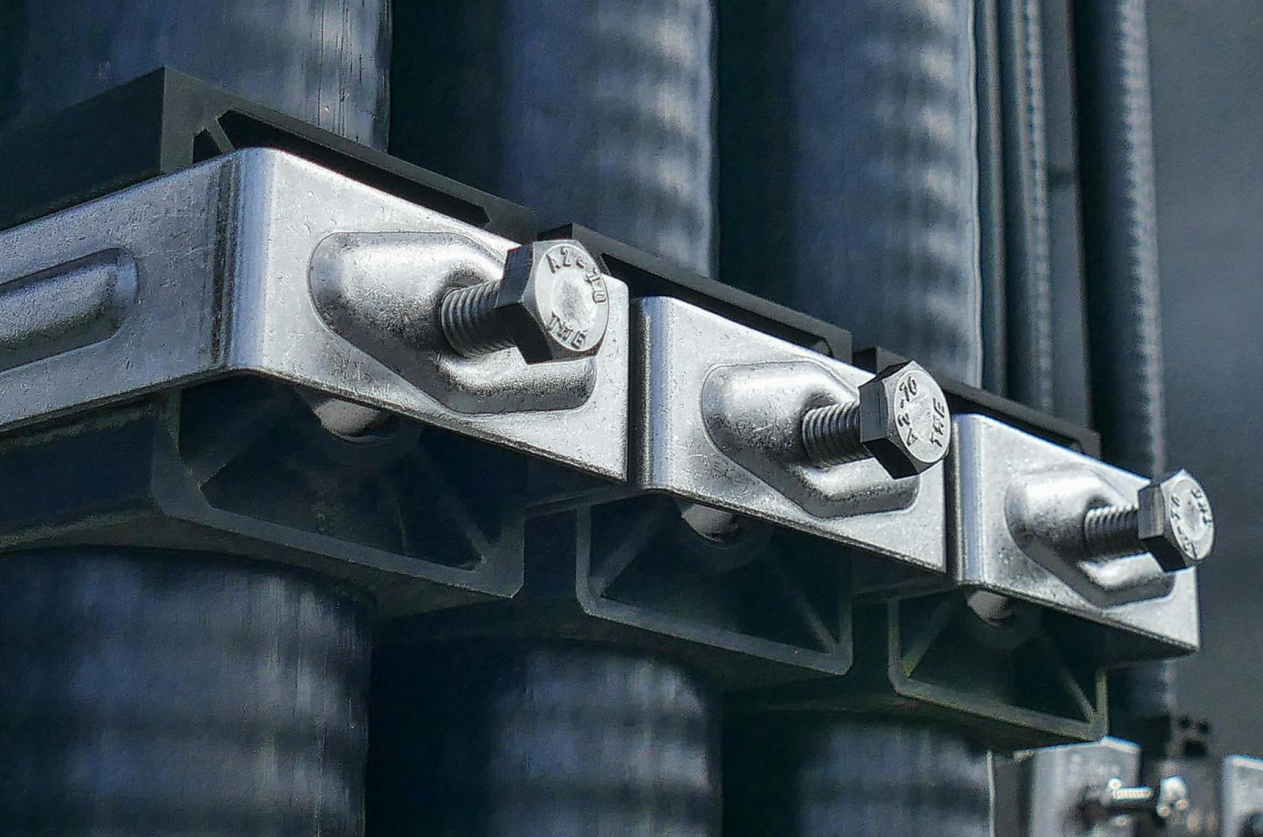
3. Sealing Configuration: Traditional packing seals are incapable of withstanding high temperature and high pressure. Magnetic seals (static sealing with zero leakage) or cooling-type double mechanical seals equipped with pressure balance tanks are mandatory.
Three Inspections & Four Confirmations Before Operation
Before each feeding process, operators must complete standardized pre-operation inspections, summarized as the principle of Three Inspections and Four Confirmations:
· Inspect sealing points: Check for leakage traces on the kettle cover, flanges, valves and instrument connectors. For mechanical seals, verify that the barrier fluid (white oil / ethylene glycol) level is above 1/2 and the sealing pressure remains normal.
· Inspect safety accessories:Safety valves and rupture discs: within valid calibration period with qualified labels intact.Pressure gauges: appropriate measuring range (1.5~3 times the working pressure), clear red limit marks and zero pointer reset.Thermometers: qualified insertion depth of thermocouples or thermal resistors, with displayed temperature consistent with ambient temperature.
· Inspect stirring system: Manually rotate the agitator after power cut-off, confirm no friction between stirring blades and internal components (baffles, temperature measuring pipes), and ensure flexible rotation without abnormal noise.
· Confirm operation plan: Clarify characteristics of reaction media (polymerization tendency, high toxicity, corrosiveness) and formulate matched temperature & pressure rising curves.
Key Dynamic Monitoring During Operation
High-temperature and high-pressure reactions are dynamic processes, requiring real-time cross-check between on-site observation and instrument data.
Temperature & Pressure Rise: Slow and Uniform PrincipleTemperature difference control: The temperature difference between jacket heating medium and internal materials shall not exceed 50℃. Excessive temperature difference causes severe thermal stress, resulting in flange deformation or glass lining cracking.Pressure synchronization: For gas-liquid reactions such as hydrogenation, raise the temperature to the preset range first, then introduce gas slowly for pressurization. Pressurization before heating is strictly prohibited, to avoid sharp pressure surge caused by liquid vaporization.Overpressure prevention: Maintain a safe margin below critical limits. Two-stage alarm settings are recommended: early warning alarm (90% MAWP) and interlock shutdown value (98% MAWP).
Abnormal Condition IdentificationSudden pressure surge: Caused by runaway exothermic reactions or internal valve leakage leading to high-pressure gas backflow. Operators shall make instant judgments to cut off heat sources or conduct emergency pressure relief.Temperature fluctuation: Local overheating due to stirring shutdown or heat exchange failure caused by jacket blockage.Odor and abnormal noise: Irritant smell or hissing leakage sound indicates potential leakage. Activate the emergency plan immediately with complete personal protective equipment for troubleshooting.
Maintenance & Upkeep: Hidden Hazards Are the Most Dangerous
Under high-temperature and high-pressure service, material damages such as creep, fatigue and hydrogen embrittlement develop gradually, making periodic inspection indispensable.
1. Annual In-house Inspection: Conducted by professional factory personnel. Focus on bolt tension detection (high-temperature bolt relaxation requires hot tightening with specified torque) and sealing surface corrosion inspection.
2. Regular Special Inspection (Internal & External): Performed by qualified special equipment inspection institutions every 3 to 6 years, including:Visual inspection: check for cracks, bulges and corrosion pits on inner surfaces;Wall thickness measurement: ultrasonic testing to monitor uniform corrosion and wall thinning;Non-destructive testing: radiographic or ultrasonic detection for welding seams, magnetic particle or penetrant testing for surface defects.
3. Sealing Replacement: Wearing parts such as O-rings and graphite gaskets must be replaced after each disassembly, even if they appear intact. Store sealing parts away from light, moisture and aging environments.
5. Personnel Management: The Final Line of Defense
Advanced equipment cannot replace standardized human operation. Operators engaged in high-temperature and high-pressure reactor management shall meet the following requirements:Certified employment: Operators of quick-opening pressure vessels must hold a valid Special Equipment Operation Certificate (R1).Complete PPE: Splash-proof face shield, acid and alkali resistant clothing and high-temperature resistant gloves, to prevent injury from high-temperature material splashing.Dual-person operation: Key procedures including heating and hydrogenation require double confirmation, with one operator and one supervisor for verification.
If you have any inquiries about the safe operation or model selection of high-temperature and high-pressure reactors, please feel free to contact us.