In the pharmaceutical, fine chemical, and food additive industries, double�layer stainless steel reactors serve as core equipment for material mixing, chemical reactions, and crystallization. Featuring a dual-layer structure — the inner cylinder bears process medium pressure while the jacket circulates heating or cooling media — the equipment delivers excellent heat exchange performance and corrosion resistance. Nevertheless, no matter how robust the vessel material is, all operational advantages will be lost once sealing failure occurs. Tightness inspection acts as the final line of defense to ensure leak�free operation of reactors. This article introduces several commonly adopted tightness detection methods.
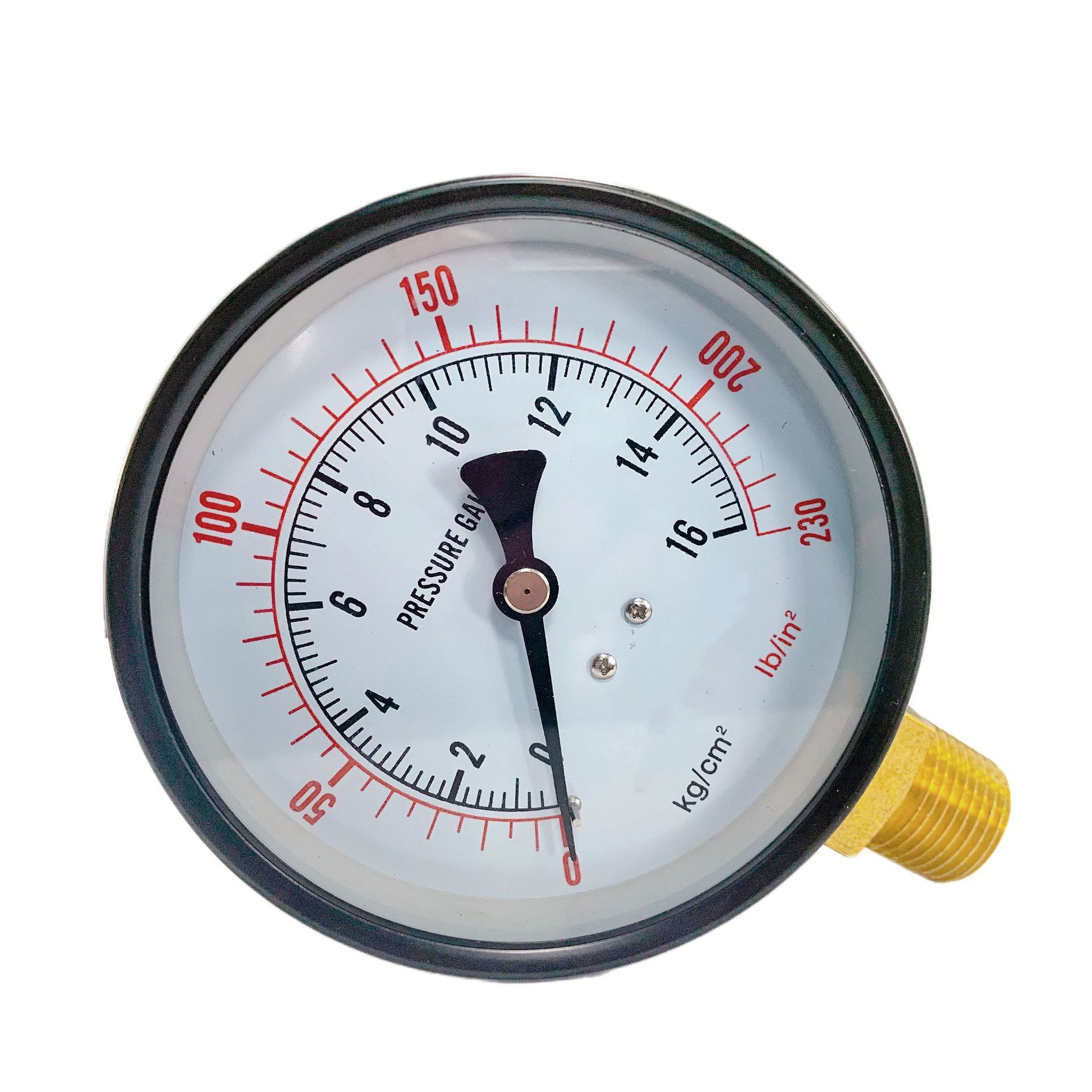
1. Static Pressure Test (Pressure Holding Test)As the most fundamental acceptance test, nitrogen is injected into the reactor to 1.1 times the working pressure, generally ranging from 0.6 MPa to 1.0 MPa. The pressure is maintained for no less than 30 minutes to observe pressure gauge fluctuations.Compliance standard: The average hourly pressure drop shall not exceed 5%, and no visible leakage points are allowed. This method is simple and convenient to implement but with limited sensitivity, only capable of identifying large-scale leakage defects.
2. Helium Mass Spectrometer Leak Detection (High�sensitivity Leakage Positioning)For working conditions involving high vacuum or highly toxic media, helium leak detection is recognized as the industry gold standard. Taking advantage of helium’s small molecular diameter and strong permeability, the reactor is evacuated, and helium gas is sprayed over suspicious positions including flange surfaces, welding seams and sealing glands. The leak detector is able to capture leakage rates as low as , equivalent to only a few milliliters of gas leakage per year. Capable of both quantitative measurement and accurate leak point positioning, helium leak detection is an essential precision inspection procedure before factory delivery.
3. Ultrasonic Leak Detection (Online Rapid Inspection)High-frequency sound waves (typically 20–100 kHz) will be generated when gas passes through tiny orifices. A handheld ultrasonic leak detector converts such inaudible ultrasonic signals into audible sounds or visual prompts. It supports rapid scanning under operating conditions without shutdown or pressurization, and is especially suitable for routine inspection of pipe joints, valve packing and other vulnerable sealing positions.

4. Special Inspection for Double�layer Structure — Jacket Air Tightness TestThe jacket cavity of double-layer reactors also requires independent tightness verification. Pneumatic testing is commonly applied: compressed air or nitrogen is charged into the jacket up to the maximum working pressure, and soap solution is coated on welds and nozzle roots to check for bubble generation. For jackets equipped with spiral deflectors, special inspection is required at the welding joints between deflectors and the cylinder wall to prevent cross-flow of heating and cooling media.
As a professional reactor manufacturer, we fully recognize the critical importance of reliable sealing for stable production. Therefore, a complete sealing guarantee system has been established covering the whole process from design to after-sales service.

· Design Phase: Sealing types (single mechanical seal, double mechanical seal, magnetic seal) are precisely selected according to medium properties, temperature and pressure parameters. CFD flow field simulation of the sealing chamber is conducted to optimize flushing plans.
· Manufacturing Phase: 100% of reactors undergo static pressure testing and helium mass spectrometer leak detection before delivery, ensuring leakage indicators exceed national standards such as HG/T 20584-2020. Critical welding seams are inspected fully via radiographic or ultrasonic testing.
· On�site Installation: Professional technical guidance is provided. Laser shaft alignment instruments are adopted to calibrate the stirring shaft and guarantee high-precision sealing assembly.
· Operation and Maintenance: A professional inspection team is equipped with helium leak detectors, ultrasonic testers, infrared thermal imagers and other precision instruments to provide on-site tightness testing, comprehensive condition assessment, detailed inspection reports and targeted maintenance recommendations.
Under the core production goals of safety, stability, long-cycle operation, full-load performance and high efficiency in the chemical industry, tightness inspection has evolved from a simple factory acceptance procedure into refined lifecycle management for process equipment.