In chemical processing equipment, reactors endure the harshest operating conditions—alternating exposure to high temperature, high pressure, strong acids, strong alkalis, and various organic solvents. Vessel base materials, typically carbon steel or stainless steel, cannot fully resist corrosion under all working conditions. Therefore, applying a specialized coating or lining to the reactor’s inner surface has become a critical solution to extend service life, guarantee product purity, and ensure production safety. These internal linings act like protective armor, shielding the base metal from chemical attack.
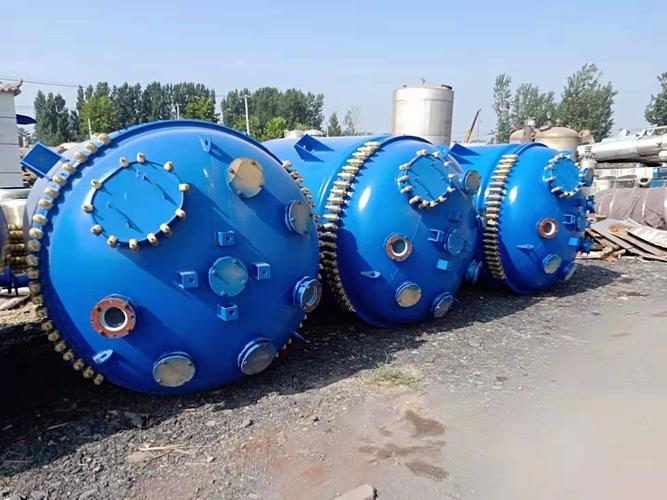
In industrial practice, thicker protective layers are generally referred to as linings, while thinner ones are defined as coatings. In a broad sense, both belong to surface protection technology. Below is a detailed analysis of the most commonly used lining and coating materials for industrial reactors.
1. Glass Lining: Premium Anti-Corrosion Barrier
Glass lining, also known as enamel or glass cladding, is one of the most widely adopted internal protection materials for reactors. High-silica glass glaze is fused and bonded to the carbon steel substrate at high temperatures above 800–900°C, forming a dense, vitreous protective layer.
Core AdvantagesGlass lining delivers outstanding corrosion resistance against most inorganic acids (hydrochloric acid, sulfuric acid, nitric acid), organic acids, salt solutions, and organic solvents. Its anti-corrosion performance is second only to precious metals and high-grade special alloys. Featuring complete chemical inertness, the glass surface will not trigger catalytic side reactions or release metal ions to contaminate materials, making it indispensable for pharmaceutical synthesis and fine chemical production.
LimitationsGlass lining is highly vulnerable to mechanical impact and drastic temperature fluctuations. Once porcelain peeling or chipping occurs, the exposed base metal will corrode rapidly, and on-site repair is difficult. It is suitable for scenarios requiring high material purity and strong corrosion resistance, without severe temperature cycling or mechanical impact.
2. Hard Chrome Plating: Balanced Wear and Corrosion Resistance
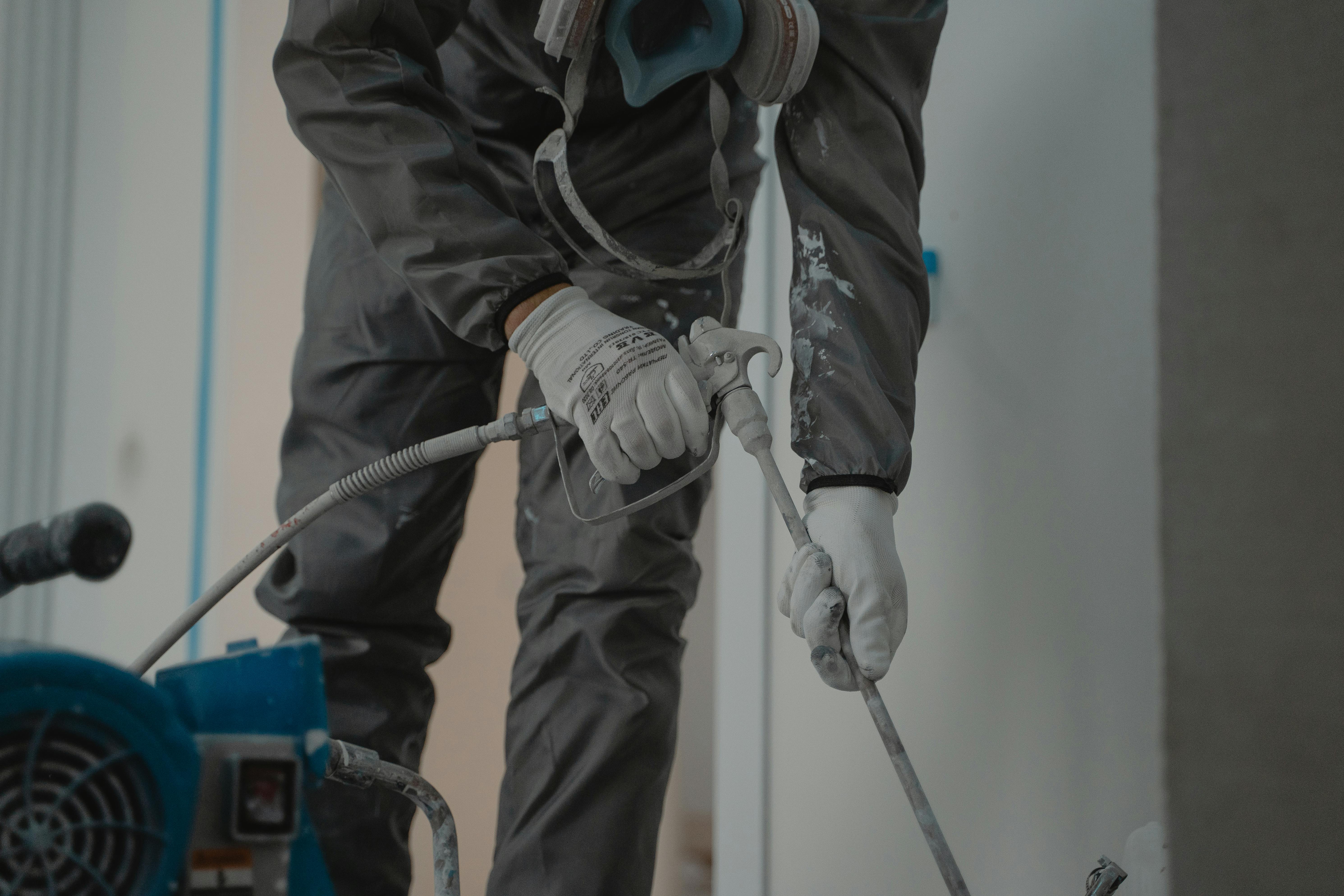
Electroplated hard chrome coating plays an irreplaceable role in reactors operating under severe abrasion conditions. With a thickness ranging from tens to hundreds of micrometers, its hardness reaches HV 800–1000.
Core AdvantagesIn addition to moderate corrosion resistance, hard chrome features an ultra-low friction coefficient and exceptional wear resistance. For reaction systems containing hard solid particles, frequent scraping movements, or high-viscosity materials, hard chrome plating effectively prevents inner wall abrasion and maintains structural integrity.
LimitationsTraditional chrome plating adopts hexavalent chromium processes, which face strict environmental restrictions. Micro-cracks inevitably exist within the chrome layer, bringing risks of medium penetration under long-term strong corrosion. It is mainly applied to polymerization reactors and high-viscosity material processing equipment.
3. Electroless Nickel-Phosphorus Coating: Dense Non-Porous Protection
Electroless nickel-phosphorus plating is a non-electrode coating technology that deposits uniform nickel-phosphorus alloy via chemical reduction reactions. It represents a high-performance solution for reactor internal protection.
Core AdvantagesUniform thickness is its most prominent advantage. Even on complex structures such as deep holes, inner corners, and weld seams, it forms a consistent coating, eliminating the common defects of electroplating such as excessive buildup on sharp edges and insufficient coverage on concave areas. The compact, low-porosity amorphous structure provides better corrosion resistance than pure nickel, and hardness can be further enhanced through heat treatment.
LimitationsRestricted by plating tank dimensions, overall electroless plating for large reactors is difficult and costly. It is mostly used for small and medium-sized precision reactors and local repairing of existing equipment.
4. Thermal Spraying Coating: Flexible On-Site Solution
For oversized reactors or vessels unable to undergo integral high-temperature treatment, thermal spraying provides a flexible alternative. Through HVOF (High-Velocity Oxygen Fuel) spraying or plasma spraying, molten anti-corrosion alloys and ceramics are ejected onto the inner wall to form a functional protective layer.
Common Spraying Materials
· Hastelloy Coating: Offers nickel-alloy level corrosion resistance at a lower cost than solid nickel-based alloy equipment.
· Ceramic Coating (Zirconia, Alumina): Excellent high-temperature resistance and anti-wear performance.
· Titanium & Titanium Alloy Coating: Specially customized for strong oxidizing media.
LimitationsBonding strength between the coating and base material requires strict quality control. Slight inherent porosity generally requires additional sealing treatment. It is suitable for high-temperature, highly corrosive working conditions with moderate anti-permeation requirements.
5. PTFE Coating: Non-Stick Non-Metallic Lining
Polytetrafluoroethylene (PTFE) coating is widely used in reactors, especially for solving material adhesion and scaling problems.
Core AdvantagesWith extremely low surface energy, PTFE resists adhesion to almost all substances, making it ideal for high-viscosity and scaling-prone materials. It withstands nearly all chemical media, except molten alkali metals and high-temperature fluorine gas, with a continuous operating temperature up to 260°C.
LimitationsPTFE coating is soft, poor in mechanical wear resistance and thermal conductivity. Usually applied on stainless steel substrates, it is limited to atmospheric or low-pressure reactions and production requiring frequent wall cleaning.
Principles for Coating and Lining Selection
1. Corrosive Medium: Glass lining for strong acids; nickel-phosphorus coating or Hastelloy spraying for chloride-containing environments.
2. Temperature & Pressure: Avoid rapid temperature changes for glass lining, high-temperature oxidation for hard chrome, and negative pressure for PTFE.
3. Material Characteristics: PTFE for sticky materials; hard chrome or ceramic coating for high abrasion conditions.
4. Purity Standard: Glass lining and other non-metallic inert linings are preferred for pharmaceutical and electronic-grade chemical products to avoid metal ion precipitation.
With the continuous advancement of material science, emerging technologies such as composite coatings and nano-modified coatings are developing rapidly, enabling reactors to adapt to increasingly harsh working conditions. Reasonable selection of internal protection materials not only extends equipment service life, but also stabilizes production processes and ensures consistent product quality.