In modern industrial production and energy utilization, high-efficiency cooling equipment has become a core guarantee for stable system operation. As a type of heat exchange equipment that uses ambient air as the cooling medium, air coolers are widely adopted across numerous industries thanks to their outstanding advantages such as water conservation, environmental friendliness and low operating costs. This article systematically introduces the classification of air coolers and their application scenarios in various industries, highlighting their vital position in the modern industrial system.
Air coolers can be classified in multiple dimensions based on working principles, structural features and cooling methods, with each type featuring exclusive design concepts and targeted application ranges.
.jpg)
Classification by Heat Transfer Mode
Indirect air coolers transfer heat through intermediate media, with finned tube air coolers as the typical representative. Composed of tube bundles, fans and supporting frames, they allow hot fluid to flow inside the tubes while ambient air passes through external fin gaps, achieving heat exchange via tube walls. This structure greatly expands the heat transfer area and improves overall heat exchange efficiency. Indirect air coolers are widely used in petrochemical, power and other industries, especially for working conditions requiring high-purity cooling media.
Direct air coolers realize heat exchange through direct contact between air and hot fluid, among which spray air coolers are the most common. Water spray devices are installed along the air flow path; water mist absorbs massive heat through evaporation to achieve remarkable cooling effects. Such equipment is highly suitable for arid and water-scarce regions, such as power stations in Northwest China.
Classification by Ventilation Mode
For forced-draft air coolers, fans are arranged at the bottom of tube bundles to deliver forced air upward. This layout enables fans to inhale low-temperature ambient air for stable operation. However, the air distribution around tube bundles is less uniform compared with induced-draft types, and high-temperature exhaust air discharged to the ground may adversely affect the surrounding environment.

Induced-draft air coolers are equipped with fans on the top of tube bundles to extract air downward. This design ensures uniform air distribution and discharges hot air at a high position to avoid hot air recirculation. Nevertheless, fans operate in high-temperature airflow, resulting in harsh working conditions. Both types have respective pros and cons, and the final selection shall comprehensively consider process requirements, space layout and environmental conditions.
Classification by Cooling Form
Dry-type air coolers rely entirely on the sensible heat change of air for cooling without any spraying system. They feature zero water consumption and simple maintenance, yet their performance is greatly affected by ambient temperature, with a noticeable drop in cooling capacity under high summer temperatures.
Wet-type air coolers integrate the strengths of air cooling and water cooling. Humidification spraying or evaporative cooling is adopted on the air side to enhance heat dissipation through water evaporation, perfectly meeting large-capacity cooling demands in water-deficient areas.
Combined dry-wet air coolers organically combine the advantages of the above two types. Dry operation is adopted in low-temperature seasons to save water resources, while the wet mode is activated in high-temperature periods to guarantee cooling performance, striking a balance between high efficiency and resource conservation.
Application Fields of Air Coolers Petrochemical Industry
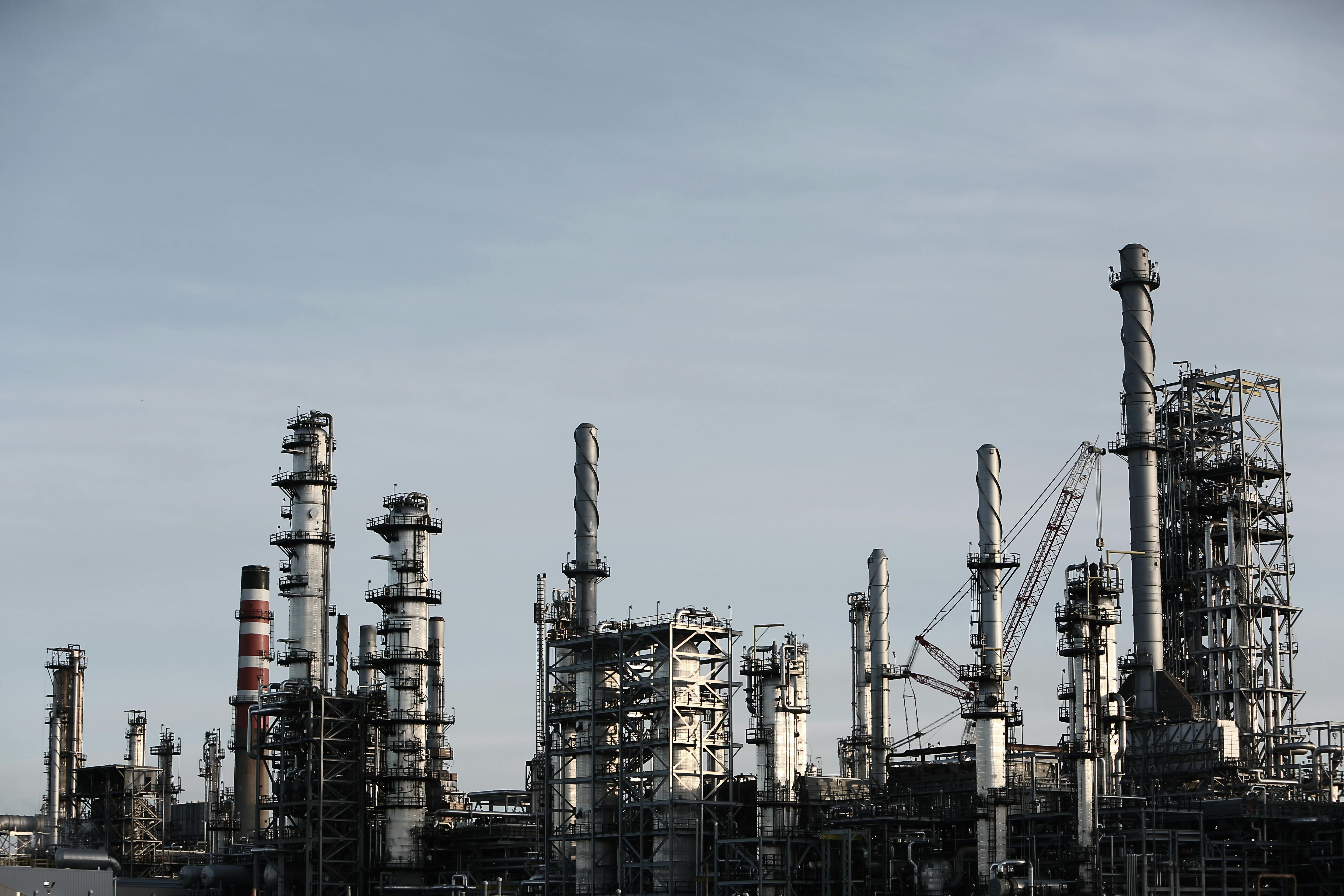
As one of the largest application scenarios for air coolers, petrochemical processes including petroleum refining and chemical production generate massive high-temperature process fluid from reactors, compressors, distillation towers and other facilities that requires continuous cooling. Air coolers undertake critical heat dissipation tasks, such as slurry cooling in catalytic cracking units and circulating hydrogen cooling in reforming units. In recent years, driven by the large-scale development of petrochemical plants, the application ratio of high-efficiency and energy-saving air coolers has increased year by year, effectively cutting industrial water consumption and overall operating costs.
Power Industry
In thermal power generation, air cooling systems have become the standard configuration for power plants in water-scarce areas. The Air-Cooled Condenser (ACC) guides exhaust steam from steam turbines to outdoor air cooling islands through large pipelines. Dozens of large-diameter fans drive ambient air for cooling, condensing steam into recycled water for boiler reuse. Compared with traditional water cooling, this system saves over 90% of water consumption. It has been widely promoted in the water-deficient northern regions of China, providing strong support for national energy security.
Metallurgical Industry
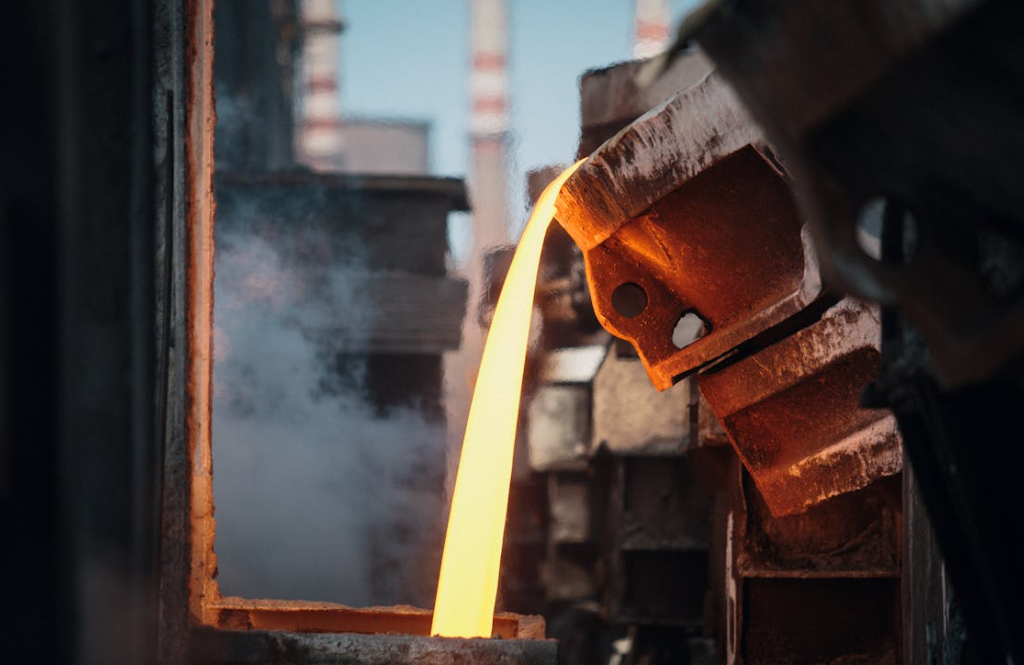
In steel production, high-temperature circulating cooling water from blast furnaces, converters and continuous casting machines needs continuous cooling for cyclic utilization. Air coolers are mainly applied in closed circulating water cooling to ensure stable equipment operation. Especially in steel rolling processes, they cool rolling mills, hydraulic systems and lubrication systems, playing a key role in improving product quality and extending service life of mechanical equipment.
Other Industrial Fields
In compressed air systems, air coolers serve as after-coolers to cool high-temperature compressed air to a proper temperature, separating internal moisture and oil contaminants to ensure stable operation of pneumatic equipment.
Driven by the booming digital economy, server heat dissipation demands in data centers have surged. With high reliability and convenient maintenance, air coolers have become one of the mainstream cooling solutions for small and medium-sized data centers.
In the refrigeration and air conditioning industry, air-cooled condensers are widely used in commercial freezers, cold chain logistics and building HVAC systems. Their market share keeps rising especially in water-stressed urban areas.
With the growing global water shortage and increasingly stringent environmental regulations, air cooling technology is developing toward high efficiency, intelligence and integration. The adoption of new materials such as high-performance finned tubes and anti-corrosion coatings extends equipment service life and improves heat transfer efficiency. Intelligent control systems realize precise temperature regulation and energy-saving operation via variable-frequency fans and adjustable spraying systems. Modular design lowers installation and maintenance difficulties and expands application boundaries.
Meanwhile, air coolers still face technical challenges including limited environmental adaptability (efficiency reduction in high temperature and high humidity), noise control and winter anti-freezing measures, as well as economic constraints such as high initial investment and large floor occupation. These challenges drive continuous R&D and innovation among manufacturers, including the development of high-efficiency air coolers suitable for tropical climates and low-noise fan designs.
From traditional heavy industry to emerging data centers, from arid inland regions to humid coastal areas, air coolers are playing an increasingly important role in energy conservation, emission reduction and sustainable development. Supported by advances in material science, fluid mechanics and intelligent control technology, air coolers will deliver greater value in more industries and underpin the green transformation of global manufacturing. In the future, air cooling technology will continue to evolve toward higher efficiency, intelligence and eco-friendliness, helping address global water resource shortages and advance sustainable development goals.