As core thermal energy transfer equipment, heat exchangers are widely used in various fields of industrial production and daily life, and their performance directly affects the overall production efficiency of the system. The following provides a detailed introduction to its main application scenarios and type characteristics.
1. Main Application Scenarios of Heat Exchangers
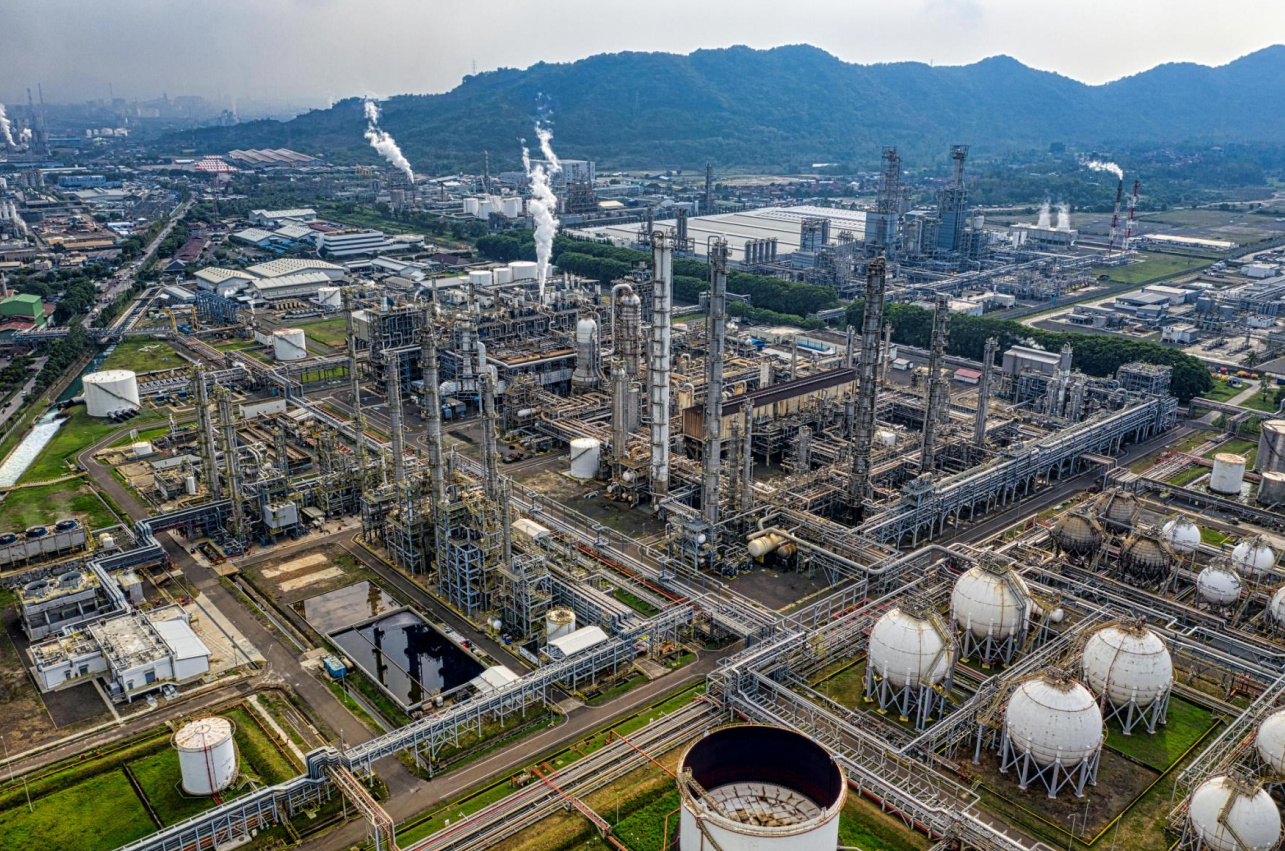
Heat exchangers are widely applied in multiple industries. Their core functions focus on heat transfer, energy conservation, consumption reduction and system protection, with targeted performance for different application fields. In the petrochemical and chemical industries, heat exchangers serve as the core equipment of production units. They are extensively used in heating, cooling, condensation and other processes of crude oil distillation, cracking, catalytic reforming and other technologies, directly determining product quality and energy consumption. In the power industry, economizers and condensers in thermal power plants, as well as steam generators in nuclear power plants, all rely on heat exchangers. They not only improve thermal cycle efficiency and recover waste heat, but also ensure the safe and stable operation of the system.
In the field of HVAC, air conditioning and refrigeration, heat exchangers are the key to temperature regulation. They are widely used in chilled water heat exchange of central air conditioning, heat recovery of fresh air ventilators, as well as evaporators and condensers in refrigerators and air conditioners. By absorbing and releasing heat, they realize indoor temperature control and improve energy utilization efficiency.

The food and pharmaceutical industries impose strict requirements on hygiene and temperature control. Heat exchangers are applied in scenarios such as milk sterilization, juice concentration, and temperature regulation of pharmaceutical reaction kettles. Sanitary plate heat exchangers or easy-to-clean tubular heat exchangers are mostly adopted to meet strict industrial hygiene standards.

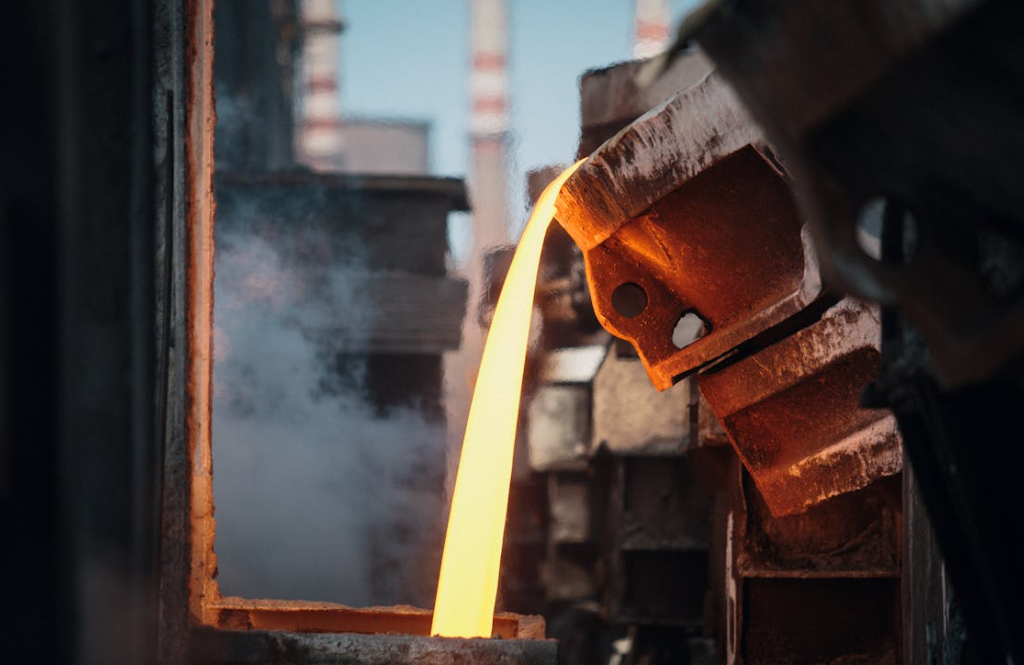
In addition, in the metallurgical industry, heat exchangers are applied to blast furnace cooling and waste heat recovery, protecting equipment and reducing energy consumption. In the shipping and transportation sector, they provide stable temperature control for marine main and auxiliary engines as well as automotive engines, improving the reliability of power systems. In the new energy and environmental protection industries, heat exchangers are indispensable for ground-source heat pumps, solar hot water systems, wastewater waste heat recovery and other facilities, supporting waste heat recycling and environmental pollution control. Furthermore, heating radiators, water heaters and CPU heat sinks in daily life are all typical applications of heat exchangers, bringing convenience to daily life.
2. Main Types and Characteristics of Heat Exchangers According to heat transfer surface structure and working principles, heat exchangers are mainly divided into four categories.
Among them, the recuperative type is the most widely used. Each type features distinct performance and structural differences to meet the demands of diverse working conditions. Recuperative heat exchangers separate hot and cold fluids through solid walls to prevent direct mixing.
Shell-and-tube heat exchangers feature a robust structure composed of shells and tube bundles. With excellent pressure resistance, high temperature resistance and convenient cleaning, they are suitable for high-pressure and high-temperature working conditions in chemical, power and other industries, while having relatively low heat transfer efficiency and bulky overall size. Plate heat exchangers are assembled by stacked corrugated metal sheets, delivering high heat transfer efficiency, compact layout and easy disassembly for cleaning. Restricted by limited pressure and temperature resistance, they are mostly applied in medium and low-pressure scenarios such as HVAC and food processing. Plate-fin heat exchangers offer extremely high heat transfer efficiency and the most compact structure, ideal for aerospace, cryogenic and other fields with strict limits on volume and weight. Their main disadvantages include susceptible channel blockage and difficult maintenance.
Double-pipe heat exchangers have a simple structure and favorable heat transfer performance, yet they consume large amounts of metal materials and are prone to leakage, making them suitable for small-flow scenarios such as laboratories and special chemical processes. Direct-contact heat exchangers realize heat transfer through direct mixing of hot and cold fluids. Typical equipment includes cooling towers and steam jet pumps.
They provide high heat transfer efficiency and simple structure, and are only applicable to working conditions where fluid mixing is permissible. Regenerative heat exchangers transfer heat by means of heat storage media that alternately absorb and release heat. They are widely used for high-temperature gas heat exchange in open-hearth furnaces, power plant air preheaters and other facilities, with the shortcomings of oversized equipment and inevitable slight cross-mixing of fluids. In addition, air-cooled heat exchangers adopt ambient air as the cooling medium, which is the preferred solution for water-scarce areas.
Spiral plate heat exchangers possess outstanding self-cleaning and anti-clogging performance, perfectly adapting to fluids containing solid particles or high-viscosity media. With differentiated structural advantages and performance characteristics, various heat exchanger types form a complete product system covering multiple industries and complex working conditions, supporting the efficient and stable operation of industrial production in various fields.
The above is a comprehensive analysis of the application fields and main types of heat exchangers. Shanghai Rivbay Chemical Equipment Co., Ltd. specializes in the R&D and production of non-standard pressure vessels, including reaction kettles, heat exchangers, stainless steel reaction kettles, tower vessels, modular equipment, freeze dryers and cold traps. The company holds the ASME U Stamp Certificate, EU PED certification, South Korea Kosha certification and EAC certification of the Eurasian Economic Union. Its products serve chemical, petrochemical, fine chemical, pharmaceutical, food, light industry, environmental protection and other industries. We can customize highly matched exclusive equipment solutions for customers. Warmly welcome inquiries and business cooperation.