
Tubular heat exchangers are critical core equipment in the process industry. Their long-term stable and efficient operation directly affects the energy consumption, safety and economic benefits of the entire production system. This article aims to establish a complete management system covering daily monitoring, regular inspection and special maintenance, providing a clear guideline to ensure the stable and reliable operation of tubular heat exchangers as the backbone of industrial production.
Daily Monitoring and Evaluation
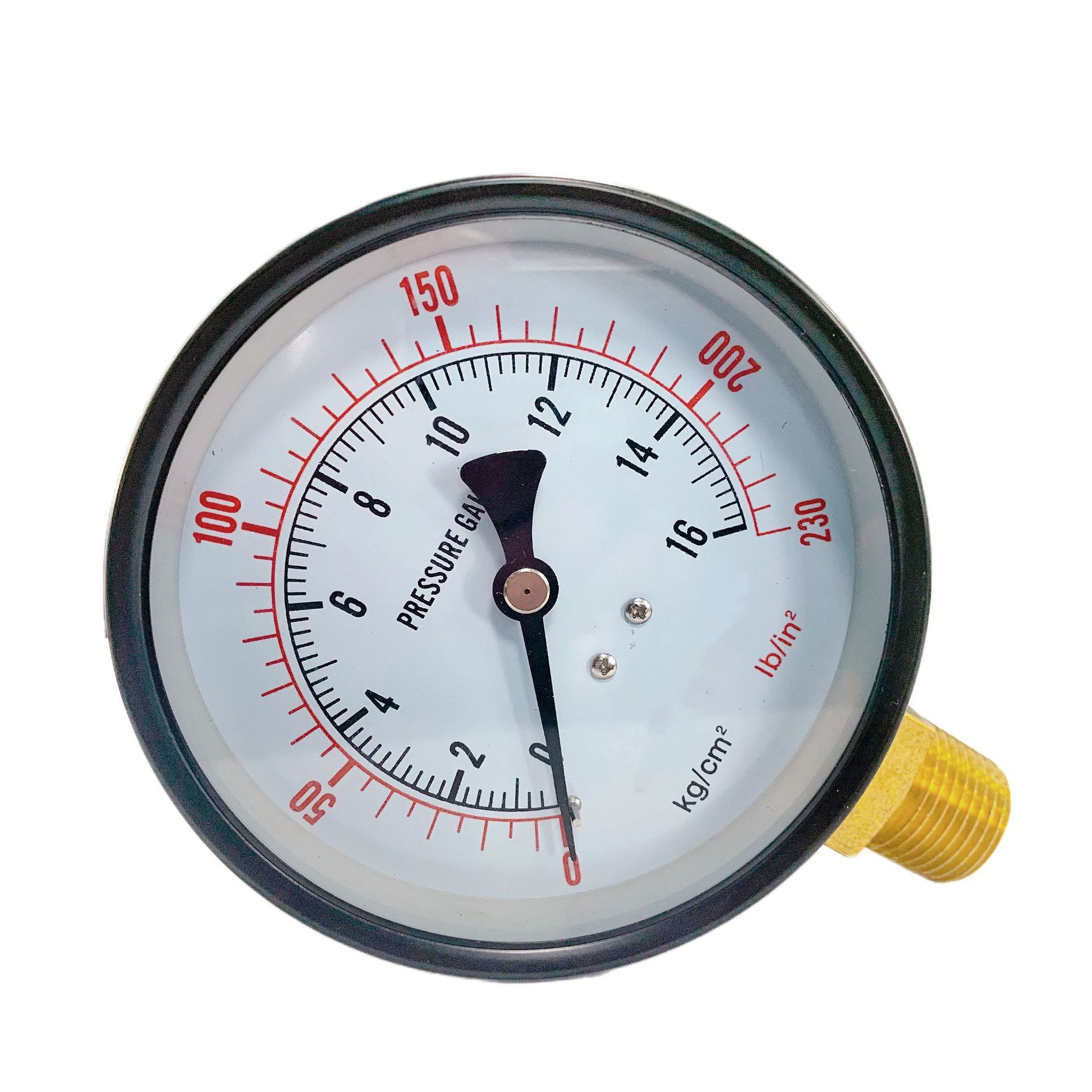
1.Internal Operation Parameter Monitoring Temperature and flow rate: Regularly record and compare the inlet and outlet temperature and flow rate of process fluids of the heat exchanger. Abnormal changes of outlet temperature, such as the rise of cooling water outlet temperature or the drop of heating medium outlet temperature, are usually the primary signal of reduced heat transfer efficiency. A sharp drop in flow rate may indicate pipeline blockage or pump and valve failure. Pressure and pressure drop: Closely monitor the pressure of the shell side and tube side, especially the changing trend of pressure difference (ΔP). A continuous increase in the pressure drop of the shell side or tube side is a clear sign of internal scaling, blockage or uneven fluid distribution. For instance, the rising shell-side pressure drop is generally caused by dirt accumulation at baffles or scaling on the outer wall of tube bundles, while the increased tube-side pressure drop is mostly resulted from internal pipe blockage. Preliminary leakage judgment: For working conditions with different pressures on both sides, preliminary leakage judgment can be realized by monitoring the fluid composition on the low-pressure side such as the appearance of process media in cooling water or abnormal pressure rise.
2. External Condition Inspection Visual and auditory inspection: Check the shell, head and flange connections for oil stains, rust deposits, crystalline substances or damp marks, which may indicate minor leakage. Listen for abnormal vibration or flushing noise during equipment operation. Foundation and supports: Verify the firmness of equipment supports, and confirm that sliding supports can displace normally to compensate for thermal expansion. II. Regular Shutdown Maintenance: Comprehensive and In-depth Overall Inspection A reasonable maintenance cycle (generally 1 to 3 years) shall be determined according to process characteristics such as scaling tendency and corrosiveness. Planned shutdown maintenance serves as the core of daily maintenance management.
Step 1: Safety Isolation, Cleaning and Disassembly
1. Strictly implement energy isolation procedures, including material cut-off, pressure relief, medium replacement and purging, so as to ensure safe working conditions.
2. Dismantle heads, floating heads or channel boxes, and extract the tube bundle. The overall removable design of tube bundles is a major maintenance advantage of tubular heat exchangers.
Step 2: Comprehensive Inspection and Assessment
1. Tube bundle inspection Macro inspection: Check the overall deformation of the tube bundle, the integrity of baffles and the stability of tube bundle supports. Key items: leakage detection and thickness measurement Leakage detection: Adopt tube sheet hydrostatic testing or eddy current testing (ECT). Traditional hydrostatic leakage testing is intuitive yet inefficient and insensitive to tiny defects. As an advanced and efficient testing technology, eddy current testing is widely used for on-line leakage inspection and thickness measurement. It can quickly locate internal and external wall thinning, cracks and perforations caused by corrosion, and is especially applicable to titanium tubes, stainless steel tubes and other alloy pipes. Thickness measurement: Conduct ultrasonic thickness measurement on pressure-bearing components including shells, channel boxes and nozzles to evaluate corrosion allowance.
2. Shell inspection: Examine internal corrosion and erosion of the shell, and check the gap between baffles and the shell as well as internal scaling conditions.
3. Sealing component inspection: All gaskets such as graphite spiral wound gaskets must be replaced. Bolts shall be inspected by non-destructive testing or replaced as required.
Step 3: Complete Cleaning and Descaling Scaling is the primary cause of heat efficiency decline, and thorough cleaning is the key to restoring original operating performance.
Mechanical cleaning Tube side cleaning: Adopt high-pressure water jet cleaning with a maximum pressure of over 70MPa, flexible shaft pipe cleaners or rotating brush heads. High-pressure water jet cleaning is efficient, environmentally friendly and has become the mainstream cleaning method. Shell side cleaning: Use high-pressure water washing or sand blasting to remove scale deposits on the outer surface of tube bundles and baffles. Sand blasting shall be used with caution for special materials such as titanium tubes. Chemical cleaning For hard water scale, silicate scale and special process dirt, pickling or alkaline cleaning is required. Common cleaning agents include hydrochloric acid and citric acid. Key operating requirements: Conduct scale sample analysis in advance to formulate targeted cleaning formulas, standardized procedures and waste liquid treatment plans. High-efficiency corrosion inhibitors must be added throughout the cleaning process, and corrosion test coupons shall be arranged to monitor the actual corrosion rate. For special materials such as titanium, dedicated cleaning agents are mandatory. Titanium has poor resistance to hydrochloric acid, so nitric acid or citric acid are commonly adopted. Step 4: Repair and Reassembly 1. Tube plugging: Use tapered metal plugs or welding to block leaking heat exchange tubes. Generally, the number of plugged tubes shall not exceed 10% of the total tubes. Otherwise, overall tube bundle replacement is required.
2. Component replacement: Locally or wholly replace parts with severe corrosion and large-area defects.
3. Reassembly: Reinstall the tube bundle carefully in the reverse disassembly order to ensure accurate alignment and avoid tube wall scratches. Tighten flange bolts step by step in a diagonal locking sequence to achieve uniform sealing compression.
Special Maintenance Strategies: Targeted Solutions for Specific Operating Risks
1. Anti-corrosion management Electrochemical protection: For water-cooled heat exchangers, sacrificial anodes such as zinc blocks or impressed current cathodic protection can effectively restrain electrochemical corrosion inside the shell and water chamber. Coating protection: Apply high-performance anti-corrosion epoxy coating on non-heat transfer surfaces such as channel boxes and water chambers. Process optimization: Stabilize cooling water indicators including pH value and chloride ion concentration, control medium flow velocity, and prevent chloride ion concentration accumulation and microbial reproduction.

2. Vibration Analysis and Prevention For large-scale heat exchangers, fluid-induced vibration of tube bundles may lead to fatigue fracture. During maintenance, inspect the wear condition between heat exchange tubes and baffle plate holes. Vibration can be effectively eliminated by adjusting the baffle spacing, adopting double-segmental baffles or optimizing anti-vibration structures. 3. Anti-scaling Optimization In addition to regular cleaning, the fundamental solution lies in upstream management. Optimize water treatment measures such as softening, filtration and scale inhibitor dosing, and control the temperature of process fluid below the scaling critical temperature. The maintenance of tubular heat exchangers is a systematic project integrating condition monitoring, preventive maintenance and predictive diagnosis. It requires equipment managers to possess professional process knowledge, material awareness and on-site practical experience. The above is the complete later-stage maintenance guide for tubular heat exchangers. Shanghai Rivbay Chemical Equipment Co., Ltd. specializes in the research, development and production of non-standard pressure vessels, including reaction kettles, heat exchangers, stainless steel reaction kettles, tower vessels, modular equipment, freeze drying boxes and cold traps. The company holds the ASME U Stamp Certificate of the United States, EU PED product certification, South Korea Kosha certification and EAC certification of the Eurasian Economic Union. Its products are widely applied in chemical industry, petrochemicals, fine chemicals, pharmaceuticals, food, light industry, environmental protection and other fields. We can customize highly compatible exclusive equipment solutions for customers. Inquiries and cooperation are warmly welcomed.

Address: No.9249 Chuannanfeng Highway,
Fengxian District, Shanghai
Hotline: 135 8596 7759 Mr.Wang
139 1627 1927 Mr.Cheng