In the modern industrial heat exchanger sector, titanium stands out as the ultimate solution to corrosion challenges in numerous production processes, thanks to its nearly perfect corrosion resistance and excellent comprehensive performance.
To understand titanium, it is essential to start with its physical and chemical properties. As the 22nd element in the periodic table, titanium delivers high mechanical strength and favorable thermodynamic performance. Its density is only 4.51 g/cm³, approximately 57% of that of steel, while its strength is comparable to ordinary carbon steel. This means titanium heat exchanger tubes can be designed with thinner walls and lighter weight under the same pressure load, while still meeting structural strength requirements. Although the thermal conductivity of titanium is lower than that of copper, it is equivalent to stainless steel. Its smooth surface greatly reduces scaling accumulation. In long-term service, the overall heat transfer efficiency of titanium equipment remains stable and even outperforms copper alloy tubes, whose performance gradually declines due to severe fouling.
Titanium is most widely recognized for its outstanding corrosion resistance. In oxidizing media such as seawater, chlorine and nitric acid, titanium rapidly forms a dense, stable and self-repairing passive oxide film. This protective layer provides far stronger resistance to chloride ions than stainless steel and copper alloys. In high-chloride environments including circulating seawater, wet chlorine and brine solutions, stainless steel is prone to pitting corrosion and stress corrosion cracking, and copper alloys suffer from erosion corrosion. In contrast, titanium maintains stable performance for a long service cycle. Relevant tests prove that the corrosion rate of titanium in flowing seawater is almost negligible, making it highly adaptable to harsh marine and chemical corrosive working conditions.
In addition, titanium is non-toxic and non-magnetic, and its surface effectively prevents the adhesion of marine organisms. From the perspective of full life cycle management, titanium heat exchangers feature an ultra-long service life of more than 30 years, 2 to 4 times that of copper alloy equipment. It reduces frequent equipment replacement and resource consumption, and delivers superior sustainable benefits.
Relying on the above superior properties, titanium has achieved dominant and irreplaceable application value in key industrial fields. First, seawater desalination and coastal power stations. In seawater reverse osmosis desalination plants, coastal thermal power plants and nuclear power plants, tens of thousands of meters of heat exchange tubes operate in long-term contact with continuous seawater, facing combined hazards of chloride corrosion, sediment erosion and microbial attachment. Traditional aluminum brass and cupronickel tubes are difficult to adapt to such harsh environments. Thin-wall welded titanium tubes have become the preferred material by virtue of excellent corrosion resistance. Ultra-thin tube walls (less than 0.5 mm) effectively improve heat transfer efficiency and make up for the disadvantage of relatively low thermal conductivity of titanium itself, ensuring decades of stable and safe system operation. With lower full life cycle cost than copper alloy products that require regular replacement, titanium tubes have been widely adopted in condensers for large-scale seawater desalination projects and coastal power facilities worldwide.
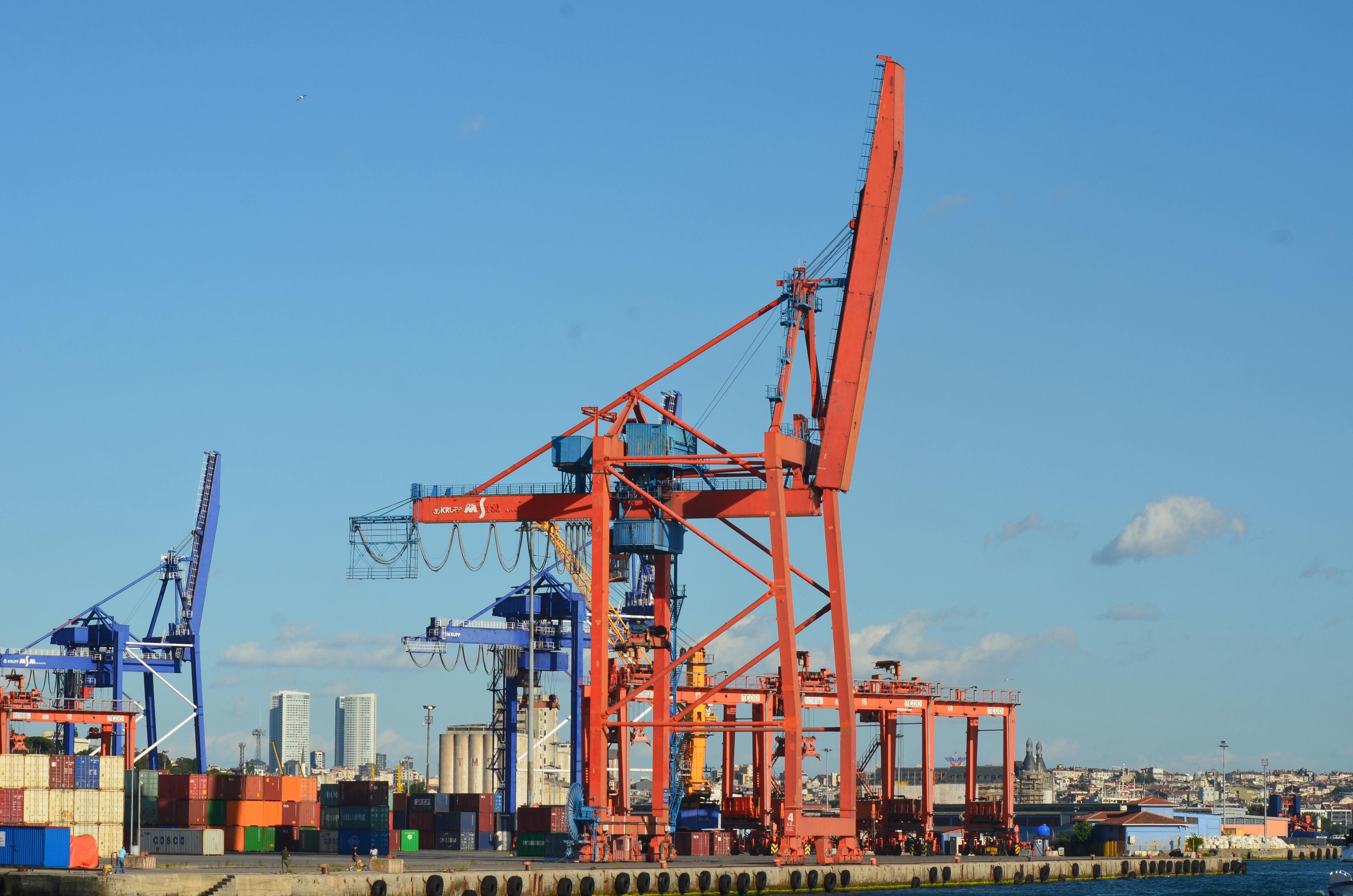
2. Urea Production In the chlor-alkali industry, coolers are required to handle high-temperature wet chlorine with strong oxidizing properties and high corrosiveness. In PTA production, process fluid heat exchangers operate with highly corrosive media such as acetic acid and bromide ions. In urea production, high-pressure ammonium carbamate solution heat exchangers are adopted. For these harsh working conditions known as equipment killers, titanium and its alloys, such as Ti0.2Pd alloy with excellent crevice corrosion resistance, are the only materials capable of long-term and stable service.
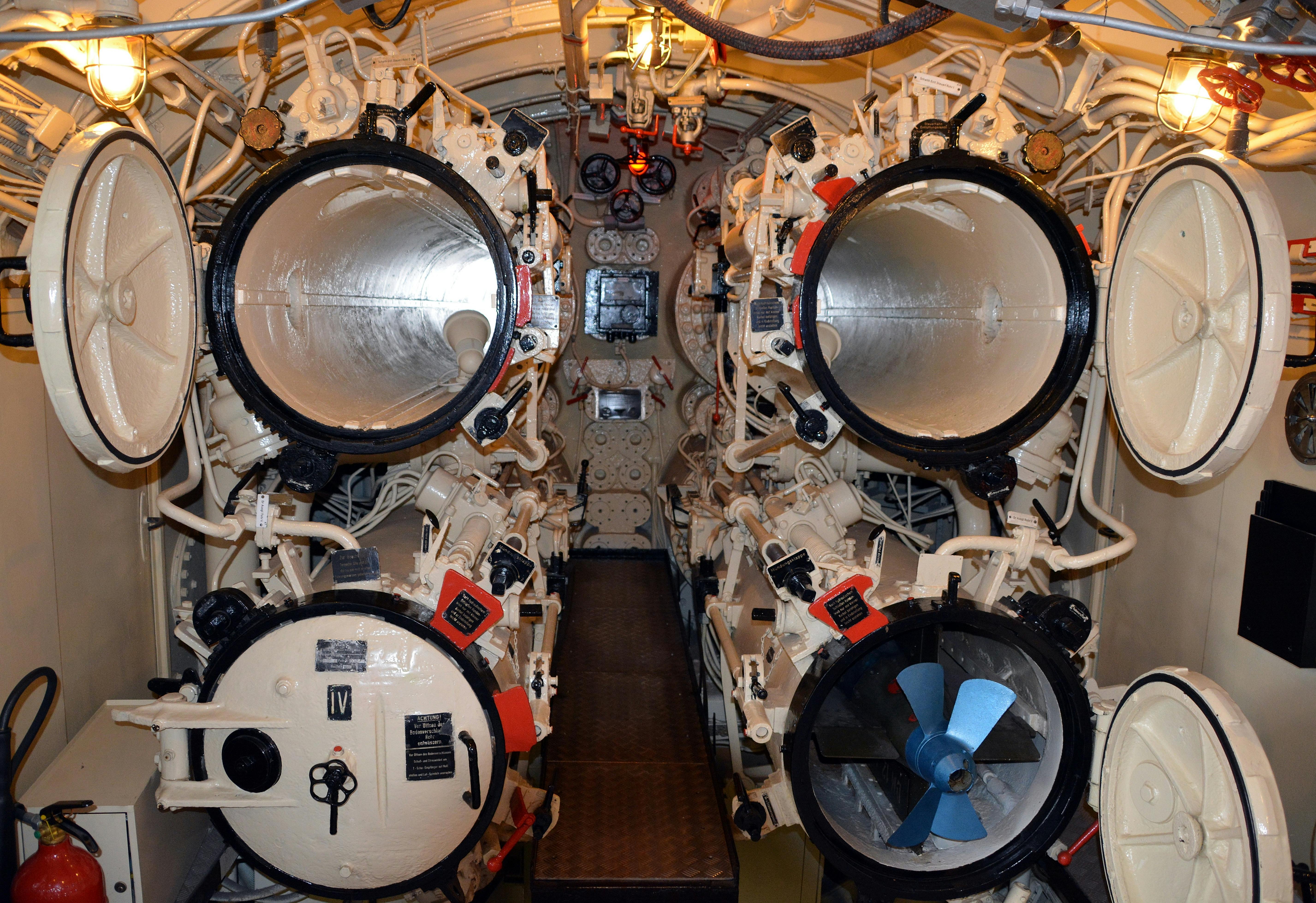
3. Steam Power Systems Under Severe Conditions Compact and reliable seawater condensers must operate with absolute safety in steam power systems of ships, especially nuclear submarines. Titanium perfectly meets such requirements with its light weight, high strength and outstanding seawater corrosion resistance. In the LNG industry, titanium is widely used in plate-fin heat exchangers for ultra-low temperature heat exchange, as it maintains good toughness even at extremely low temperatures. In addition, titanium plate heat exchangers and shell-and-tube heat exchangers are commonly applied in special fields including geothermal power generation with fluids containing hydrogen sulfide and chloride ions, pharmaceutical production, and constant temperature control for high-end swimming pools.
The above is an analysis of the properties and application fields of titanium materials. Shanghai Rivbay Chemical Equipment Co., Ltd. specializes in the research, development and production of non-standard pressure vessels including reaction kettles, heat exchangers, stainless steel reaction kettles, towers, modular equipment, freeze drying boxes and cold traps. The company holds the ASME U Stamp Certificate, EU PED product certification, South Korea Kosha certification and EAC certification of the Eurasian Economic Union. Its products are widely applied in chemical industry, petrochemicals, fine chemicals, pharmaceuticals, food processing, light industry, environmental protection and other sectors. We are able to customize exclusive and highly adaptable equipment solutions for customers. Feel free to contact us for inquiries and cooperation.