As the core equipment of process industries such as chemical engineering and pharmaceuticals, reaction kettles serve as the lifeline of the entire production system with their safe and stable operation. However, negligence in any link from installation and positioning to daily operation may lead to hidden risks. Minor mistakes can cause equipment failure and production interruption, while severe ones may result in leakage, fire and even explosion accidents.
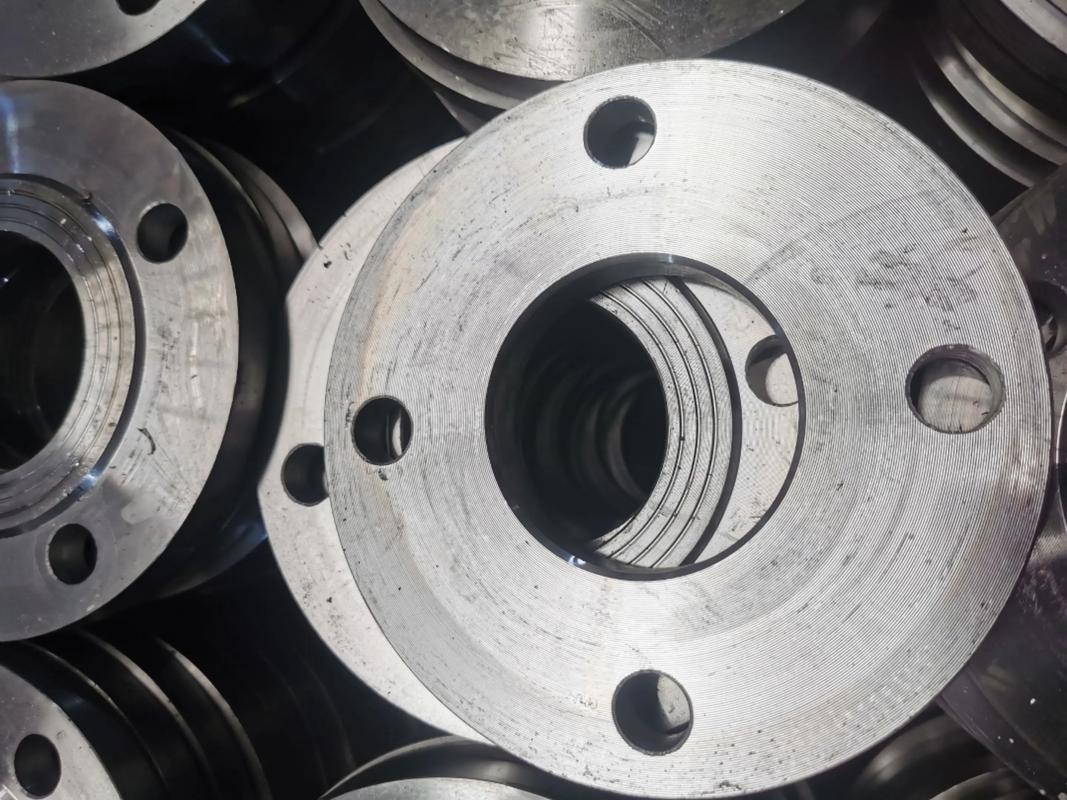
An in-depth understanding of typical problems occurring during installation and operation is the key to realizing preventive maintenance and intrinsic safety.
1. Installation and Commissioning Stage: Hidden Defects Lead to Long-Term Hazards The installation phase is a decisive link that determines the operational quality of a reaction kettle throughout its service life. Problems arising at this stage are usually concealed and long-lasting. First, problems with foundation and positioning. Insufficient foundation strength and poor levelness are common hidden dangers. These issues will cause abnormal equipment vibration during operation. Long-term vibration may trigger micro-deformation of the kettle body, affect the alignment of the stirring shaft, aggravate the wear of mechanical seals, and cause leakage at connecting flanges. More seriously, uneven stress will reduce the fatigue life of equipment under cyclic pressure and temperature changes. Second, stress caused by pipeline connection.
Forced alignment between process pipelines and the inlet and outlet nozzles of reaction kettles is a major taboo in installation. If the stress generated by pipeline thermal expansion and contraction or self-weight directly acts on the kettle nozzles, continuous additional bending moment will be formed, which is highly likely to induce cracks in weak welding areas. Such risks will rise sharply especially in high-temperature and corrosive medium environments. Third, installation accuracy of stirring and sealing systems.
The installation of the stirring system is the top priority. Excessive coaxiality error between the drive shaft and stirring shaft is the primary cause of vibration, noise and early seal failure. For mechanical seals, substandard on-site cleanliness, inaccurate adjustment of spring compression, and improper compression of static sealing rings will directly prevent the seals from reaching the designed sealing performance. Fourth, integration defects of auxiliary systems. Incorrect installation direction of pressure relief devices such as safety valves and bursting discs, as well as improper setting of front and rear valves, will completely disable these safety components. Unreasonable installation positions of temperature, pressure and liquid level sensors or incorrect initial calibration will cause the control system to receive wrong signals, resulting in dangerous or inefficient process adjustments.
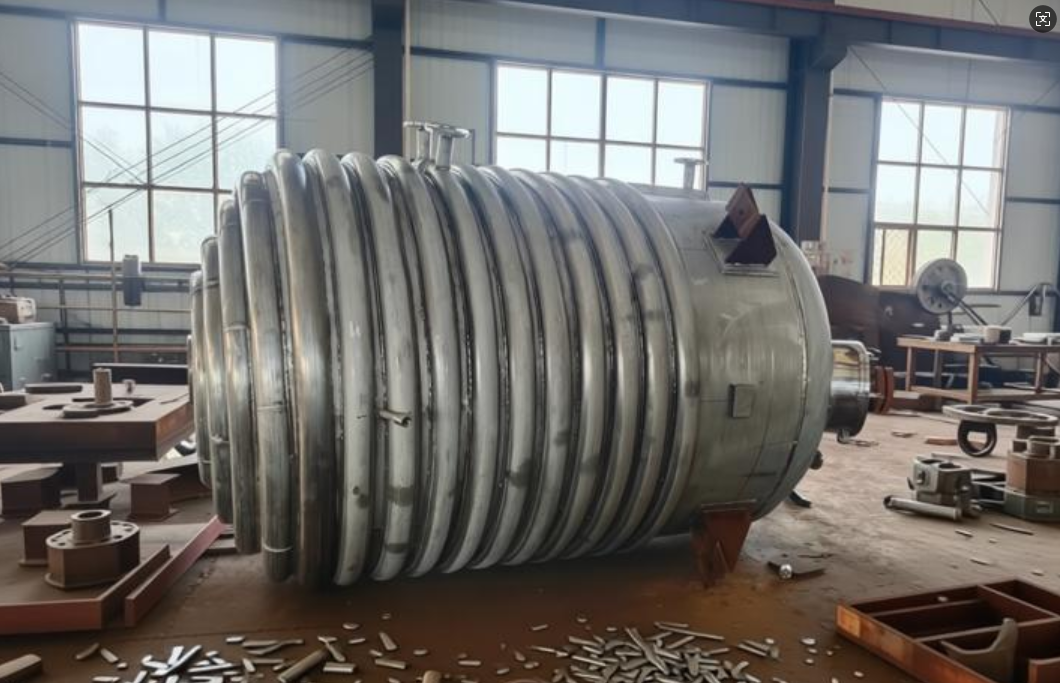
2. Daily Operation and Maintenance Stage: Improper Operation Accelerates Equipment Wear Even with perfect installation, improper operation and maintenance will lead to rapid aging and damage of reaction kettles. First, irregular operating procedures. Idling and dry friction are fatal to mechanical seals and stirring bearings. Failure to confirm a certain liquid level inside the kettle before starting stirring will generate high heat from dry friction and instantly damage the sealing surface. Dramatic changes in temperature and pressure that exceed the rated rate limits will produce excessive thermal stress and mechanical stress on the kettle body, inducing micro cracks. Wrong feeding sequence or uncontrolled feeding speed may trigger intense side reactions, bumping and material spraying accidents. Second, declining heat transfer efficiency, a chronic hidden problem. Scaling on the inner walls of jackets and coils, as well as carbon deposition and aging of heat conduction oil caused by long-term high-temperature oxidation and cracking, will seriously hinder heat exchange. This will greatly prolong heating and cooling time, increase energy consumption, and even cause material decomposition and reaction runaway due to local overheating. Third, failure of stirring and mixing function.

With the extension of service time, stirring blades may deform, loosen or even fall off due to medium corrosion, abrasion and foreign object impact. This will not only deteriorate the mixing effect, resulting in uneven reactions and reduced product yield, but also break the dynamic balance, trigger strong vibration and threaten the entire transmission system. Fourth, malfunction of safety accessories. If safety valves, pressure gauges, thermometers and other components fail to undergo mandatory calibration on a regular basis, internal parts may jam or lose accuracy due to medium crystallization, corrosion and fatigue. These safety devices will fail to function in emergency situations, leading to catastrophic consequences. Fifth, corrosion and uncleaned dead corners. Under the combined effect of corrosive media and alternating stress, pitting corrosion and stress corrosion cracking may occur on the inner wall, welds and bolt surfaces of reaction kettles. Incomplete cleaning will leave residues that contaminate subsequent batches of products, or carbonize and coke during reheating, forming heat insulation layers and corrosion sources that are difficult to remove.
3. Systematic Problems and Concealed Risks In addition to the above visible defects, insufficient systematic management and cognitive awareness pose higher risks. Lack of change management. Arbitrary replacement of material formulas and adjustment of key process parameters without evaluating their comprehensive impact on material compatibility, stirring power and heat transfer capacity will bring long-term hidden dangers. Slow emergency response. Insufficient sensitivity to abnormal noise, vibration and instrument reading fluctuations, and delayed shutdown and troubleshooting will turn minor faults into major accidents. Short-sighted maintenance. Delaying necessary preventive maintenance for continuous production, or replacing parts with non-compliant and low-quality accessories, will leave long-term safety hazards for stable operation.
The safe operation of reaction kettles is never accidental. It relies on a complete system including precise installation, standardized operation, predictive maintenance and rigorous management. The fastening of every bolt, compliance with every operating procedure and implementation of regular inspections can effectively intercept potential risks. Only by maintaining risk awareness throughout the whole life cycle of equipment can we firmly build the line of defense for chemical production safety and ensure the continuous, stable and reliable operation of reaction kettles, the heart of industrial production.